Security | Threat Detection | Cyberattacks | DevSecOps | Compliance

The University of Rochester Suffered a Data Breach to Its Students and Staff

The University of Rochester is a mid-sized school in New York State. It was founded in 1850 and has more than 12,000 students overall. The school maintains over 30,000 staff members overall and manages a large amount of data for all those individuals. Since data is largely digital today, the school is a major target for data breaches and identity theft. With breaches becoming so common today, it's not surprising the school suffered from a recent breach.

Thousands of Students and Faculty Exposed in Bristol Community College Data Breach

Bristol Community College is a mid-sized public university located in Fall River, Massachusetts. The school employs more than 1,000 individuals and has over 11,000 students annually. The school houses an extensive amount of data for its employees and its students, and some of that data was put at risk by a recent breach. The data breach left many people involved with the school at risk of being exposed and suffering from identity theft attacks.

More than 65K Students Lose Personal Data in Whitworth University Ransomware Attack

Whitworth University is a small private Christian university located in Spokane, Washington. The school manages information for more than 3,000 students each year, and all that data was put at risk when the school was hit by a ransomware attack. The unexpected attack caused the students to lose personal data and put them at serious risk of an identity theft attack. This university earns approximately $150 million in revenue annually and maintains a staff of over 720 people.

The K-12 Report: A Cybersecurity Assessment of the 2021-2022 School Year

The K-12 Report breaks down the cyber risks faced by public schools across the country and is sponsored by the CIS (Center for Internet Security) and the MS-ISAC (Multi-State Information Sharing & Analysis Center). Published “to prepare K-12 leaders with the information to make informed decisions around cyber risk”, the report provides a data-driven analysis of what went well, what could be better, and what exactly is threatening our K-12 schools.

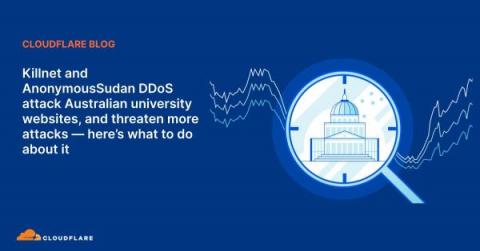
Killnet and AnonymousSudan DDoS attack Australian university websites, and threaten more attacks - here's what to do about it

Over the past 24 hours, Cloudflare has observed HTTP DDoS attacks targeting university websites in Australia. Universities were the first of several groups publicly targeted by the pro-Russian hacker group Killnet and their affiliate AnonymousSudan, as revealed in a recent Telegram post. The threat actors called for additional attacks against 8 universities, 10 airports, and 8 hospital websites in Australia beginning on Tuesday, March 28.

Why K-12 Schools Need Cybersecurity Help from E-Rate

In December 2022, the FCC opened a call for comment requesting stakeholders provide input on whether E-Rate program funds can be used to support advanced or next-generation firewalls and services, as well as other network security services. For those unfamiliar with the program, E-Rate is a Federal Communications Commission (FCC) program that provides funding to schools and libraries for telecommunications and internet services.

Are educational institutions easy victims of ransomware groups?

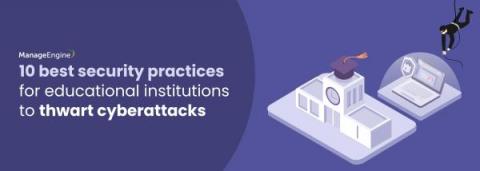
Ransomware’s new favorite victim is educational institutions. Ransomware attacks, that exploit targets utilizing malicious software code, have increased tremendously over the past few years. In addition to targeting business sectors, cybercriminals are now attempting to ambush the security posture of educational sectors. Educational institutions are an easy prey for ransomware attackers as they lack the fundamental elements of a secured network.

Why is HECVAT Important? Cybersecurity Risks in Education

The HECVAT (Higher Education Community Vendor Assessment Tool or Higher Education Community Vendor Assessment Toolkit) is a security framework and template that higher education institutions can use to measure the security risks associated with potential or existing vendors. HECVAT is excellent for higher ed institutions because many third-party organizations tend to have structures and follow practices that lend themselves to increased cybersecurity risk.