Security | Threat Detection | Cyberattacks | DevSecOps | Compliance

Shadow AI - The Hidden Risk in Every Pocket

Shadow AI is already on your employees' phones — and it's invisible to your network controls. This demo follows a real workflow: an employee gets blocked from using an unauthorized AI tool on her corporate laptop, so she switches to her personal phone instead. No VPN, no DLP, no visibility, no corporate controls follow her there.

Your Vendor's Score Just Dropped. Now What?

Most TPRM alerts tell you the same thing: a vendor's score changed. A number moved. Something is different. What they don't tell you is which specific vulnerability caused it, whether it's real, or whether it's already inside your network. That last part is the question that keeps security leaders up at night, and most TPRM programs were never designed to answer it.

Threat Actors to Watch: SafePay, FancyBear, and ShinyHunters

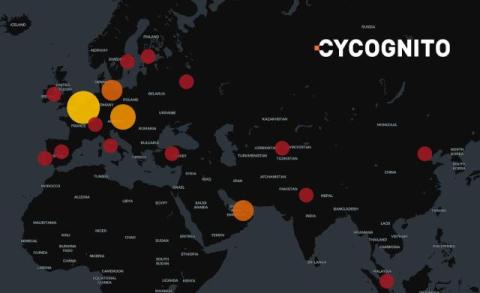
From a fast-scaling ransomware operator to a Russian state-sponsored espionage group now experimenting with LLM-powered malware, and a data extortion collective that has weathered arrests without slowing down, these three threat actors span the full spectrum of financially and geopolitically motivated cybercrime. CYJAX breaks down what each group does, why they matter, and what security teams should know.

6 Questions to Ask Your Current MDR Provider

Most security providers can describe what they should be able to do. Fewer can demonstrate what they actually see, track, and respond to in live environments. That distinction matters more now than it did even a year ago. Attack surfaces have expanded beyond users and endpoints into machine identities, autonomous systems, and internet-facing infrastructure rapidly. At the same time, detection claims have become broader (often without a corresponding increase in observable capability).

How IT can reduce credential risk across every department

Credential sprawl has long been an issue IT and security teams have had to grapple with, and solutions like single-sign-on (SSO) have never been able to contain it completely. Now, AI is accelerating the problem. AI agents need access to credentials at an unprecedented scale, leaving IT and security teams struggling even more to ensure that every credential, across every department, is secure.

Don't bring exposed developer credentials to Black Hat

Black Hat is where the security industry gathers to compare notes on what works. In recent years, supply chain attacks have been a recurring topic, and the 2026 Verizon Data Breach Investigations Report shows security teams are struggling to find a solution. According to the report, third-party involvement increased by 60% over the last year and now accounts for 48% of all breaches.

How to Implement Zero Trust: Your 2026 Playbook

Your environment probably already looks like this. Active Directory on-prem, a couple of cloud accounts, SaaS apps the business adopted faster than security could review them, remote laptops, service accounts nobody wants to touch, and a SIEM full of logs that don't yet add up to control. That's where most first Zero Trust projects begin.