Human error is a serious cybersecurity risk, but it can be mitigated through Multi-Factor Authentication (MFA), least-privilege access, proper security training and password management.
Protecting your enterprise database from privilege abuse is important for protecting sensitive data, maintaining trust and avoiding financial losses. Watch this video to learn what privilege abuse is, its risks and how to prevent it from affecting your enterprise.
Privileged Access Management (PAM) secures privileged accounts and has several use cases. Learn how PAM strengthens an organization’s security posture and mitigates security threats by watching this short video.
Threat actors who rely on email phishing scams as their primary method of gaining initial entry use a wide variety of social engineering lures to trick their victims. Trustwave SpiderLabs recently released the report Manufacturing Sector Deep Dive: Methods of Targeting and Breaching, which specifically calls out many noteworthy campaigns and methodologies used by the top-tier threat groups.
Security teams now handle up to two million alerts daily, and the time it takes to resolve threats—MTTR—can directly affect business resilience. Cloud-based Extended Detection and Response (XDR) systems address these challenges by streamlining the entire process—from detection to automated remediation. By harnessing cloud-native architectures and response automation, organizations can detect threats faster and cut resolution times significantly.
Shows how Teleport's Machine & Workload Identity product integrates with Sigstore to provide cryptographic signatures of container builds, increasing security in your software supply chain.
Learn how Atlassians FedRAMP Moderate authorization improves cloud security for U.S. government agencies, enabling secure collaboration with tools like Jira and Confluence.
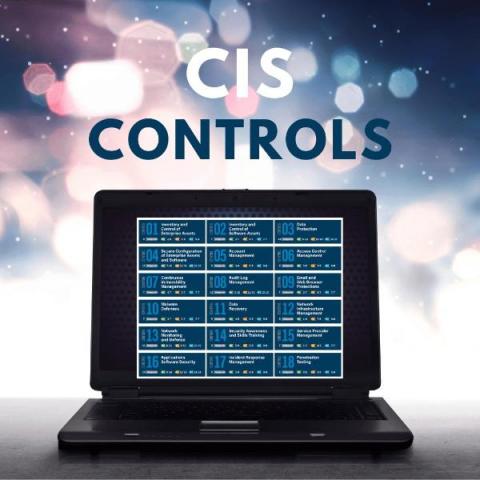
A list of 18 procedures (reduced from 20), or “controls,” recommended by the Center for Internet Security (CIS), must be followed to build an IT infrastructure resistant to cyberattacks. The CIS 4th Control advises to establish and maintain a secure configuration process for enterprise assets (end-user devices, including portable and mobile; non-computing/IoT devices; and servers) and software (operating systems and applications) (4.1).
Encryption has become a vital data protection tool used by global governments, defense and enterprises. However, not all solutions use the same cipher techniques. Several encryption algorithms can be used to secure data with varying levels of security. To establish acceptable standards for encryption technologies utilized by the U.S. Government, the National Institute of Standards and Technology (NIST) published the Federal Information Processing Standards (FIPS) FIPS-140.
AI Took Off. We’re Launching the Controls. Discover how Cyberhaven is rewriting the rules of AI data security. Our newest innovation is too big to call a feature — it’s a new frontier. AI changed everything... fast. Productivity soared, but so did risk. Employees embraced AI, and data raced across tools without oversight. The question isn’t if your organization is using AI — it’s how much risk it’s exposing in the process.