Due to increased outsourcing, digitization, and globalization, vendor risk management has become a top concern for CISOs and senior management around the world. These three forces have led to better products and services for consumers while giving organizations the ability to focus on core competencies while reducing costs and accessing new, global markets. That's the good news, the bad news is these same forces introduce significant cyber risk, particularly data breaches and data leaks.
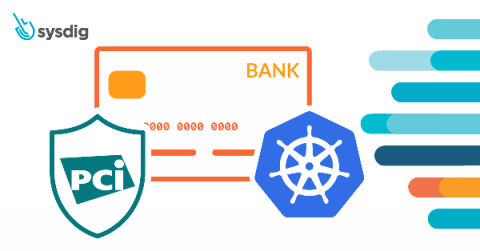
In this blog, we will cover the various requirements you need to meet to achieve PCI compliance, as well as how Sysdig Secure can help you continuously validate PCI compliance for containers and Kubernetes. Learn how to meet PCI Compliance Requirements for Container and Kubernetes Environments!
Outsourcing, digitization, and globalization have made vendor risk management a top priority for CISOs and senior management alike. These forces have led to innovative products and services, increased specialization, lower costs, and increased access for customers and organizations alike. However, they've also introduced significant cyber risk, particularly the risk of unintended data exposure in the form of a data breach or data leak.
This blog was written by an independent guest blogger. $37-$145k jobs for InfoSec specialists without experience. Hiring immediately. This is what a simple internet search has to offer for people looking to get entry-level jobs in Information security (InfoSec), or cybersecurity. It seems like a good deal, considering that the requirements for candidates are much lower compared to many other jobs.
Of all the tactics that an adversary will take on in their campaign, none will be more widely abused than, Execution (https://attack.mitre.org/wiki/Execution). When taking into consideration off-the-shelf malware, traditional ransomware, or state of the art advanced persistent threat actors, all of them have execution in common. There’s a great quote from Alissa Torres which says, “Malware can hide, but it must run.”
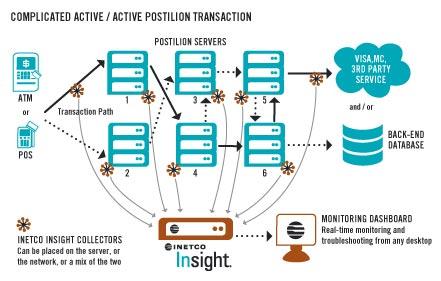
For many banks, payment processors and card network providers, the main purpose of an active/active architecture is to achieve load balancing, improve throughput and guarantee response times.
These days, cybercriminals are ambitious and innovative, with no shortage of tools and resources at their disposal to go after high-stakes targets and execute malicious code — all while flying completely under the radar. To prepare you for what’s ahead, below are five of the top cybersecurity threats you might encounter in 2020.
AT&T Alien Labs® Open Threat Exchange® (OTX) recently created a pulse for a new threat entitled the RIG Exploit Kit which had been observed distributing ransomware to victim companies across a variety of industry verticals. This exploit was discovered by BroadAnalysis who outlined the exploit’s intricacies in a whitepaper that was released December 2, 2019.