From nation-state threat actors to cybercriminals, today’s businesses face many cybersecurity threats. At the same time, organizations struggle to maintain a strong security posture because they have not yet shifted to a holistic approach to risk – one that combines a 360º view of the attack surface with the ability to communicate risk meaningfully and respond effectively.
At Tines, we understand there’s no such thing as a universal workflow. While there are often some standard best practices, whether carrying out a workflow manually or automating it, every team has a unique approach and set of tools to solve challenges. This is especially true for security teams, who constantly have to evolve their processes and infrastructure to stay ahead of cyber attackers in today’s rapidly changing threat landscape.
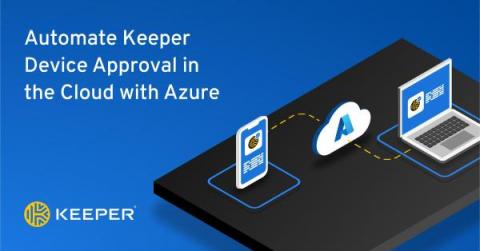
Keeper’s powerful Automator eliminates the repetitive task of device approval for Keeper administrators. With Keeper Automator, users will enjoy instant access to Keeper on any new device without having to wait for manual administrative approval. Now with Microsoft Azure support, administrators can deploy Keeper Automator to an Azure Container Service, providing a fully cloud hosted instance of Automator.
If you’re responsible for security, then you know how useful it is to have clearly-defined security policies that are simple to implement, scale, and verify. Product and AppSec teams know that great security policies empower teams to work autonomously so that work moves forward as it should. However, validating that your security policies are actually implemented is difficult.
The theme of this year’s Cybersecurity Awareness Month theme – “See Yourself in Cyber” – focuses on how both individuals and organizations can better protect themselves from cybercrime. One of the most important steps we can all take is learning to recognize and report phishing attempts.
Not everything on your attack surface is a vulnerability. Every organization has their own internal security policies that align with the risk tolerance of their business context. While industries like SaaS are often deploying several daily releases to production from multiple geographies, other industries might not tolerate this level of risk due to internal or external factors like complex regulatory requirements.