Cisco iOS XE Vulnerability: CVE-2023-20198

Cisco has released an advisory, acknowledging active exploitation of a previously unknown vulnerability, which is tracked as CVE-2023-20198, in the web UI feature of Cisco IOS XE Software when exposed to the internet or to untrusted networks. This vulnerability allows a remote, unauthenticated attacker to create an account on an affected system with privilege level 15 access, which is the highest level of access.


Unveiling Secrets Detection with JFrog Frogbot

In today’s interconnected world, secrets are the keys to unlocking sensitive data and systems. Like hidden gems for attackers, any inadvertent exposure of these secrets could lead to data breaches, unauthorized access, and security compromises. As organizations adopt DevOps practices, artifacts containing secrets are often stored and shared across various stages of the software supply chain, amplifying the risk of exposure.

Elevating Enterprise API Security with Wallarm for MuleSoft Anypoint Platform

In an age characterized by digital transformation, APIs serve as the backbone of modern applications, enabling diverse systems to communicate and share data seamlessly. This widespread API adoption, however, exposes organizations to a considerable attack surface, inviting the attention of cyber adversaries searching for vulnerabilities to exploit.

Navigating the Unknown: Zero-Days in the Supply Chain

Zero-days are out there. Lurking just under the surface, waiting for the right moment to strike. A security team can do everything right and still experience a zero-day attack in its supply chain. And with innumerable configurations, devices, and platforms that can be exploited, zero-day exploits are becoming more common than ever.

Cisco issues warning for critical 0-day vulnerability exploited in the wild

Cisco has issued a warning regarding a critical security vulnerability (CVE-2023-20198) affecting its IOS XE software. With a severity rating of 10.0 on the CVSS scoring system, the vulnerability grants remote attackers full administrator privileges on affected devices without authentication.

What's XDR? Extended Detection & Response, Explained

Extended detection and response (XDR) is a technology approach that aims to provide holistic protection of endpoints. XDR technology is able to: In this in-depth article, let’s look at how XDR solutions work and what they help with. We’ll also look at limitations inherent in XDR and how they compare to other security tools, like SIEM and SOAR.

Mastering Cybersecurity in Today's World

In a world where AI is everywhere, cybersecurity regulations are on the rise, and cyber insurance is booming, we need standardized metrics for cybersecurity. Remember, you can’t manage what you can’t measure. A recent report by SecurityScorecard and the Cyentia Institute discovered a startling fact: 98% of organizations have a third party with a breach in the last two years. In cybersecurity, metrics matter; knowing how to communicate and report on metrics is essential.

How to protect Node.js apps from CSRF attacks

A cross-site request forgery attack (CSRF) attack is a security vulnerability capitalizing on trust between a web browser and a legitimate website. Crafty attackers manipulate browsers into executing malicious actions on websites where users authenticate themselves and log in. Often, these attacks start when users click a link attached to a deceptive email or land on a compromised website, unaware of the logic executing in the background.

IT admins are just as culpable for weak password use

New data from Outpost24 reveals that IT administrators could be just as predictable as end-users when it comes to passwords. An analysis of just over 1.8 million passwords ranks ‘admin’ as the most popular password with over 40,000 entries, with additional findings pointing to a continued acceptance of default passwords.

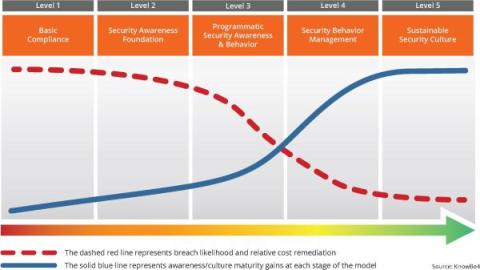
Phishing Tests Start The Virtuous Cycle Of A Strong Security Culture

Phishing tests are the catalyst to achieve a sustainable security culture within your organization. They are actually the start of a virtuous cycle that helps you move up to the highest maturity level. The cycle initiates with Awareness. Phishing tests offer a real-time view into your employees' understanding of phishing threats. They expose your workforce to simulated phishing attempts, making the threat real to them. The immediate feedback from these tests highlights areas for improvement.