EP 42 - Year in Review 2023: Unleashing AI, Securing Identities

In this year-end Trust Issues podcast episode, host David Puner takes listeners on a retrospective jaunt through some of the show’s 2023 highlights. The episode features insightful snippets from various cybersecurity experts and thought leaders, each discussing crucial aspects of the ever-evolving cyber landscape.

Cyber Scammers Beef Up the Number of Fake Delivery Websites Just in Time for Christmas

Cybersecurity researchers at Group-IB have identified a single scam campaign leveraging over 1500 websites impersonating postal carriers and shippers leading up to Christmas this year. Scammers are always taking advantage of those current trends that involve the potential for heightened emotions. During tax season it’s tax returns. During the NBA’s Final Four, it’s about sports betting or tickets to the game.

Ransomware Attacks Rise 85% Compared to the Previous Year

With November demonstrating multiple increases when compared to various previous time periods, new data signals that we may be in for a bumpy ride in 2024. It’s nice when we get to see reports that are published relatively quickly to let us get a sense of where cyberattacks are today versus, say, a quarter or two ago (or even last year!). The NCCGroup’s Cyber Threat Intelligence Report was just published and covers ransomware attacks through November of this year.

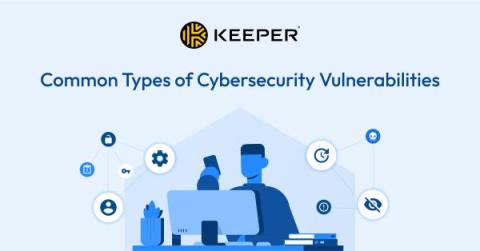
Common Types of Cybersecurity Vulnerabilities

Common cybersecurity vulnerabilities that cybercriminals can exploit include weak credentials, lack of data encryption, misconfigurations, out-of-date software and zero days. These vulnerabilities often lead to cyber attacks that bypass an organization’s security measures and steal confidential data. Organizations need to identify and mitigate these vulnerabilities to prevent security breaches.

Cloud Risk Management: The DevOps Guide

For DevOps software developers, navigating the cloud landscape without a clear understanding of risks is equivalent to walking into a minefield blindfolded. Cloud risk management, therefore, becomes an indispensable tool for DevOps – enabling us with the ability to identify, assess, and mitigate potential threats that could jeopardize their applications, their data, and their organization’s reputation.

SSP and CMMC: Why You Need a SSP for Compliance

Compliance with federal cybersecurity guidelines is three things: It’s also a very complex set of rules, guidelines, and standards that address everything from the physical security of your servers and network access to the training your employees receive. On top of that, it’s packed full of acronyms and definitions, all of which have specific meaning. SSP is one of them; it’s a critical document you need to win contracts with the government and is part of the CMMC.

2023 Business Impact Report: Small Businesses and Cyberattacks

We live in a highly digitized world, and small businesses and solopreneurs have become prime targets for cybercriminals. The 2023 Business Impact Report, conducted by the Identity Theft Resource Center (ITRC), sheds light on a concerning trend: a sharp rise in cyberattacks on these smaller entities. This annual report reveals that 73% of small business owners and leaders experienced data breaches or cyberattacks in the past year, a significant increase.

Welltok's MOVEit Breach Continues; Another 2 Million Records Harvested

Welltok provides a multi-use platform allowing institutions and individuals to manage their health and well-being. It is a third-party solution that caters to clinics, health networks, industry leaders, and private clinics. They also offer personalized resources and solutions meant to improve the health and lives of applicable patients.

112k Records Stolen from Population Health Analytics Platform, HealthEC

HealthEC (HEC) is an analytics and AI-assisted solution that siphons all relative information about patients into cohesive packages. Their tech can identify high-risk patients and their barriers to optimal care while providing options to close these care gaps. The data comes from healthcare systems and integrates with claims data to represent the patient best.