Check Point Vulnerability: CVE-2024-24919

On May 28, 2024, Check Point released an advisory for CVE-2024-24919, a high priority bug which according to NIST NVD is categorized as “Exposure of Sensitive Information to an Unauthorized Actor”. The NVD has yet to assess a CVSS score for CVE-2024-24919 as of this writing. This vulnerability affects Check Point Security Gateway devices connected to the internet and configured with either IP-Sec VPN or Mobile Access software blades.


SIM swapping, an ongoing threat

Although SIM swap scams or SIM swapping have been around for a number of years, it’s hard to pinpoint exactly when they first appeared. An ENISA report states that as early as April 2016, the British media reported an incident of bank account theft using this technique. In the United States, the first documented case of large-scale SIM swapping was the Joel Ortiz case in 2018.

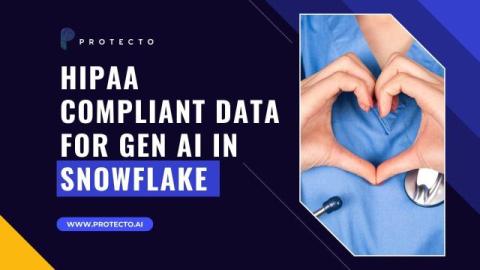
Protecto Unveils Enhanced Capabilities to Enable HIPAA-Compliant Data for Generative AI Applications in Snowflake

San Francisco, CA - Protecto, a leading innovator in data privacy and security solutions, is proud to announce the release of new capabilities designed to identify and cleanse Protected Health Information (PHI) data from structured and unstructured datasets, facilitating the creation of safe and compliant data for Generative AI (GenAI) applications. This advancement underscores Protecto's commitment to data security and compliance while empowering organizations to harness the full potential of GenAI.

It's A Fact: Forward Networks Delivers Customers an Average Annual ROI of $14.2 Million

To objectively understand how increased efficiency translates to measurable ROI for enterprises, Forward Networks engaged IDC Research to determine the business value of the platform. After interviewing existing customers, they produced the IDC Solution Brief, The Business Value of Forward Networks, (US52128624, June 2024). The paper delved deep into the experiences of Forward Networks’ customers who leverage the digital twin technology.

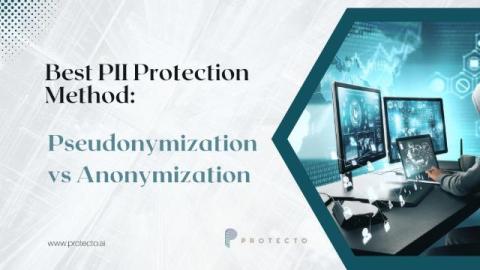
Pseudonymization vs Anonymization: Key Differences, Benefits, & Examples

When it comes to protecting personally identifiable information (PII), organizations have two main options: pseudonymization and anonymization. Both methods aim to prevent unauthorized disclosure of sensitive PII data, but they differ in their implementation, advantages, and regulatory implications. In this blog, we’ll explore the key differences between pseudonymization vs anonymization, their benefits, practical examples, and how to choose the best method for your organization’s needs.

Vendor-CISO Dynamics: Building Solutions Through Understanding

Explore the critical relationship between vendors and CISOs with Robert Black. He discusses the need for vendors to understand and address the specific problems faced by organisations rather than just selling solutions. This clip highlights how shifting power back to CISOs can lead to more effective cybersecurity strategies.

911 S5 Botnet Operation Disruption Highlights the Need for MDR and Email Security

A major botnet operation that controlled an estimated 19 million IP addresses and was responsible for $99 million in illegal gains was shut down this week, and an international law enforcement operation arrested its primary operator. Botnet operations may not be as top of mind as ransomware, but these attacks are still responsible for millions in losses and pose a massive threat to businesses and consumers.

How to Create a GDPR-Compliant Password Policy?

If your company has ever worked with businesses in European Union countries, you probably had to follow the EU’s General Data Protection Regulation (GDPR). This rule, which started on May 25, 2018, gives customers more control over their data and makes data collection and use more transparent. A big part of the GDPR is protecting people’s privacy and data from unauthorized access. To do this, companies need a strong password policy.