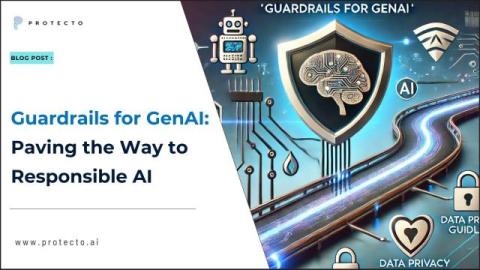
Gen AI Guardrails: Paving the Way to Responsible AI

As artificial intelligence (AI) grows, AI guardrails ensure safety, accuracy, and ethical use. These guardrails are a set of protocols and best practices designed to mitigate risks associated with AI, such as bias, misinformation, and security threats. They are vital in shaping how AI systems, particularly generative AI, are developed and deployed.

Threat Actors Compromise Valid Accounts Via Social Engineering

Phishing remains a top initial access vector for cyberattacks, according to researchers at Cisco Talos. The researchers have published a report on threat trends in the third quarter of 2024, finding that attackers are increasingly targeting valid accounts to gain footholds within organizations.

Introduction to Privileged Access Management (PAM): Device Authority and CyberArk's Integration

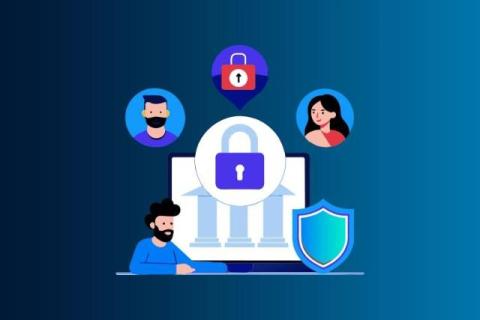
Privileged Access Management (PAM) is a comprehensive methodology for managing and securing privileged accounts—those that possess elevated permissions to perform critical functions within an organisation’s IT infrastructure. These accounts enable access to sensitive data and systems, making them highly attractive to cybercriminals. The core objective of PAM is to ensure that only authorised personnel have access to these accounts, under strict monitoring and control.

Can Generative AI Help Identify Malware and Phishing?

How Generative AI Can Help Identify Malware? Spambrella explains how AI models add value: Generative AI models can identify malware by learning the patterns and structures typical of malicious code versus benign software. Code Generation and Analysis – By generating variations of known malware, these models can simulate potential new forms of malware, helping cybersecurity teams anticipate and defend against unseen threats.

High Availability vs. Disaster Recovery: Key Differences

Protecting your business-critical data and applications requires understanding two essential strategies: high availability and disaster recovery. While both aim to keep systems operational, they serve distinct purposes and operate on different timelines. This article explains these key differences, provides implementation best practices, and showcases advanced solutions that combine these crucial strategies.

Why Security Configuration Management (SCM) Matters

Security configuration management (SCM) is all about making sure your security systems do what you think they’re doing. In tennis, there is something called an unforced error. This is when a player loses points for a mistake they made themselves, not due to the skill of the other opponent. In a big way, security misconfigurations are those unforced errors on the security side or instances in which we give attackers a free win. Let/node/29512/’s stop that.

What is a Cross-Site Scripting Attack

Cross-site scripting attacks are the digital version of the mystery trope where people inject IV lines with hazardous material. In the murder mystery genre, these crimes often focus on someone who looks legitimate, sneaking malicious material into someone’s medicine to harm the patient. Similarly, a cross-site scripting attack is when a threat actor sneaks malicious code into someone’s application to harm end users.

Quarantined Malware: Next Steps After Detection and Containment

Today's digital world is always at risk from malware, so it's more important than ever to have good safety habits. Most of the time, the first thing a company does when they find a disease is isolate the threat. This process comes up with the idea of "quarantined malware," which is malicious software that has been found and put somewhere else so it can't do more damage. For a company, this is a very important part of their security plan because it keeps systems safe from attacks.

5 Things to Learn About COBIT

You can’t do large-scale business in 2024 without having a successful, well-run IT infrastructure. Arguably, it’s difficult to do any sort of business well (large or small) without tuning your IT capabilities to your business objectives. This allows them to work as one, not against each other. COBIT is a framework created by ISACA (International Systems Audit and Control Association) to do this very task.

NSA Suite B Encryption: Understanding Its Role in Securing Sensitive Data

Since data breaches are becoming more common and online threats are always changing, strong encryption methods are needed to keep private data safe. NSA Suite B Encryption is one of these standards. It was made by the National Security Agency (NSA) to provide a group of safe cryptographic methods. These algorithms are very important for keeping private information safe in many areas, such as the government, the military, and the private industry.