AI Governance and Global Cyber Resilience

In this episode of CISO Conversations: EU Data Regulations, Richard Cassidy, EMEA Field CISO at Rubrik, is joined by Anu Bradford, Professor of Law at Columbia Law School, and Bronwyn Boyle, Chief Information Security Officer at PPRO. They discuss the importance of resilience and regulatory compliance as critical factors for organizations to manage their cyber threats and bolster cyber defense.


How To Protect Your Home Computer

You can protect your home computer by securing your router, configuring your firewall, installing antivirus software, backing up your data regularly and using a password manager. If your entire family uses your home computer, protecting it is important for keeping your family’s data and identities safe from viruses, malware and hackers. Continue reading to learn why it’s important to protect your home computer and the eight best practices to protect it from cyber threats.

3 time-consuming security functions to automate in 2025

Our most recent State of Trust report found that 55 percent of global businesses think security risks for their organization have never been higher. Naturally, to mitigate an increase in risks in today’s complex threat landscape, businesses invest time and money in building a robust cybersecurity posture. But many security initiatives take a lot of time, money, and manual support to implement and maintain. This is a problem for a few reasons. Security budgets are tight.

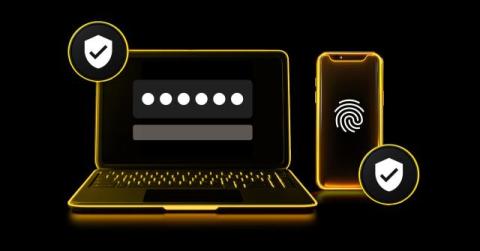
The Importance of Multi-Factor Authentication

Multi-Factor Authentication (MFA) is an important security measure because it requires an additional form of authentication before a user can access an account, service or app. Microsoft found that MFA can block over 99.9% of account compromise attacks, making it one of the most important cybersecurity measures you can implement to protect your accounts. Continue reading to learn what MFA is, why it’s important and different ways you can enable MFA on your accounts.

Evolution of Scalper Bots Part 5: The Rise of Retail Scalping

Welcome back to our Evolution of Scalper Bots series from the Netacea Threat Intel Center. In our previous blog, we reviewed the early days of anti-bot legislation and its limitations, especially around ticket scalping. Traditional defenses like CAPTCHA quickly became insufficient, which spurred the development of bot management solutions.

Breaking Down Jit's New Approach to ASPM

Application Security Posture Management (ASPM) emerged to address gaps in traditional application and cloud security scanners – like SAST, SCA, secrets detection, IaC scanning, CSPM, and many others – that generate noisy alerts and silo security insights across various tools. By providing a consolidated view of product security risks that are prioritized according to their business and runtime context, ASPM helps security teams understand which issues truly matter.

Password vs Passphrase: What's the Difference and Which is Better?

It’s almost impossible to use the internet without setting up a password, they are the heart of managing our accounts online. We all know the importance of preventing access to our accounts. Unfortunately, passwords are always at risk from hackers trying to access our accounts. Even if you have the strongest password available, with one accidental click on a phishing email or spoofed website, we could accidentally give cybercriminals access to our accounts or sell our accounts on the dark web.

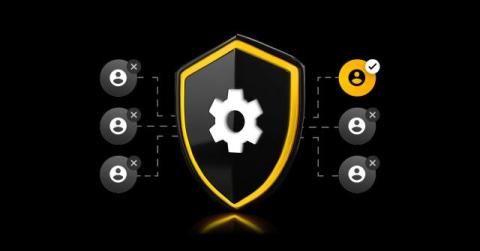
How To Eliminate Standing Access in Your Organization

Your organization can eliminate standing access by implementing Just-in-Time (JIT) access, using Remote Browser Isolation (RBI), implementing Zero Trust Network Access (ZTNA) and following the Principle of Least Privilege (PoLP). Standing access occurs when users have indefinite access to resources – regardless of their necessity. Privileged accounts are typically given standing access because they need sensitive data frequently.