Security | Threat Detection | Cyberattacks | DevSecOps | Compliance

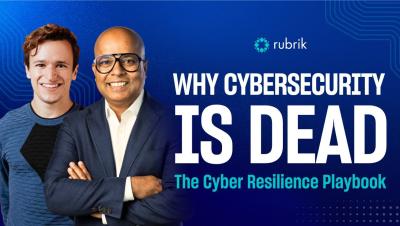
Why Cybersecurity is Dead | The Cyber Resilience Playbook

“The cybersecurity industry as we knew it is dead." Rubrik CEO Bipul Sinha explains why the security industry’s obsession with "walls and detection" has failed. AI-powered attacks have reduced the window between intrusion and breach to zero seconds. The only path forward is a fundamental shift from reactive defense to preemptive recovery, at machine speed.

The New CISO Ep. 145 - Eric O'Neill | Lessons From a Spy Hunter: The Real Cost of a Breach (Part 1)

What does it feel like to stand in the smoking ruin of a ransomware attack? In this episode, Steve Moore is joined by former FBI undercover operative Eric O'Neill—the man who helped capture Robert Hanssen—to explain why modern cybercrime is just traditional espionage repackaged, and why the dark web has quietly become the world's third-largest economy.

MSPs, Cyber Resilience, & the Human Side of Security w/James McMillan - The 443 Pod - Episode 370

Marc Laliberte and Corey Nachreiner recorded a special episode from WatchGuard’s EMEA Partner Conference in Dubrovnik, Croatia, featuring James McMillan, CTO of Redinet Limited. They discussed the evolving cybersecurity landscape for MSPs and businesses across Europe. James shares insights from his journey in IT and cybersecurity, the growing challenges organizations face as threats become more sophisticated, and why cyber resilience requires more than just technology.

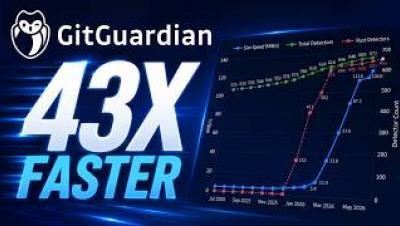
The GitGuardian Secret Detection Engine Just Got 43X Faster Thanks To Rust

While not a new feature, the GitGuardian team has been hard at work making updates to our TokenScanner, the underlying engine that powers GitGuardian's secret scanning ability. This is great news for folks dealing with very large repos and legacy platforms that thousands of developers have touched over the years. Scanning millions of files, attachments, commits, and anywhere else secrets might be hiding takes minutes. Historical scans across petabytes of information, which used to take days, now take less than an hour. What used to take hours takes a few short minutes.