Security | Threat Detection | Cyberattacks | DevSecOps | Compliance

The Invisible Trick: How to Fool an AI Agent

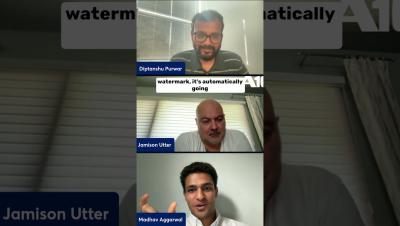
The Invisible Trick: How to Fool an AI Agent A10 Networks' security experts, Jamison Utter, Madhav Aggarwal, and Diptanshu Purwar, discuss a classic example of an adversarial attack that tricks an AI agent using the equivalent of invisible watermarks. Madhav explains how researchers used an invisible watermark in a research paper that, when scanned by an AI agent, would automatically trigger a positive review. This watermark was not visible to human reviewers. This clever manipulation highlights a significant vulnerability in AI models: they can be influenced by hidden data in their input.

Beyond the Perimeter: A CISO's Guide to Modern Security Architecture

In this episode of Make Work Happen, JumpCloud's CISO Bob Phan sits down with Superbet CISO Alex "Jay" Balan to challenge traditional cybersecurity thinking. They discuss Jay's "internet-first" security philosophy, which advocates for a strategic shift away from outdated on-premise practices and private networks. Learn why assuming compromise, practicing "resilience through violence," and establishing a single source of truth for identity are the keys to building a more secure and efficient organization.

The Howler Episode 22: The Two Year Anniversary Special!

The Howler Podcast is two years old! In this special episode, Chelsea and Mary are joined by some surprise co-hosts as well as pack members from around the globe as they celebrate Arctic Wolf's one-of-a-kind culture. Interested in running with the pack? Explore careers at Arctic Wolf—one of the fastest-growing and exciting cybersecurity companies in the world, to learn about how you can join our Pack, create impact, and influence what’s next in security operations.

When Secure Isn't Safe Uncovering OWASP Top 10 Business Logic Abuse

The OWASP Top 10 for Business Logic Abuse reveals the most critical ways attackers exploit the design of your applications, not just their code. Business logic abuse isn’t about SQL injection or XSS, it's about bypassing the rules, manipulating workflows, and triggering unintended behaviors in ways your functional tests never anticipated. Why this Matters? Attackers are shifting from exploiting code flaws to abusing the intended functionality of your applications.These logic-level threats are particularly dangerous because they.