Security | Threat Detection | Cyberattacks | DevSecOps | Compliance

Seven Best Practices for Privileged Access Management

Privileged accounts are high-value targets, and without the right controls, they can become your biggest security risk. In this video, we break down seven best practices for Privileged Access Management (PAM) that help protect sensitive systems, enforce least privilege and reduce the chances of unauthorized access.

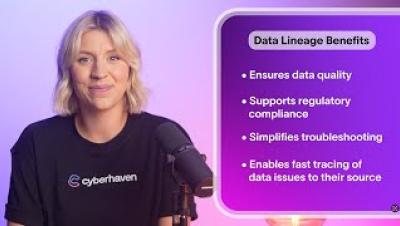
What is Data Lineage?

In this video, we break down the concept of data lineage — a way to track how data moves, changes, and is used across your organization. Data lineage provides visibility into the lifecycle of sensitive information, from where it originates to where it flows, and who interacts with it. Understanding data lineage helps organizations improve security, ensure compliance, and reduce insider risk. Watch now to learn what data lineage is, why it matters, and how it helps protect your most valuable data.


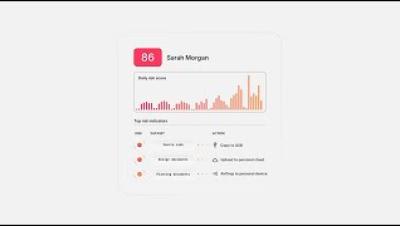
What is Insider Risk Management?

In this video, we explain the basics of insider risk management — the practice of identifying, assessing, and reducing the risks that come from employees, contractors, or partners who have access to sensitive data. Insider risk management goes beyond traditional data loss prevention by addressing both malicious and accidental insider threats. From protecting intellectual property to preventing data leaks, insider risk management helps organizations secure their most valuable information.

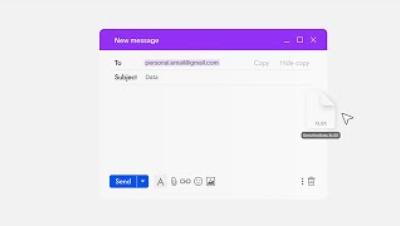
Insider Risk vs Insider Threat: What's the Difference?

In this video, we break down these two important but often-confused terms in cybersecurity. Insider risk refers to the potential for harm that comes from employees, contractors, or partners who have access to sensitive data — whether accidental or intentional. Insider threat is when that risk becomes an actual malicious or negligent action that puts your organization at risk.