Cyber security is a battle that never truly ends. With new and increasingly sophisticated threats emerging all the time, keeping one step ahead of the hackers is challenging.
Companies are continually challenged to keep pace with rapidly changing regulations, market demands, and customer expectations. Compliance, which once was seen as a bureaucratic necessity, has now become a strategic asset. By leveraging advanced automation tools, organizations can not only ensure that they remain compliant but also unlock new growth opportunities.
In the words of American motivational writer William Arthur Ward “to make mistakes is human; to stumble is commonplace; to be able to laugh at yourself is maturity”. Not all mistakes in life are easy to recover from, but the main goal of technology development is to make the world less tangled. Troubles could appear due to human error or hardware malfunction, so you should be prepared to deal with them in the most efficient way.
When we analyzed Ireland's critical national infrastructure (CNI) through an intelligence lens, the findings were sobering. Of 222 CNI organizations examined, 98—nearly 44%—have exposed known vulnerabilities. We then analyzed whether these open doors were being actively exploited by threat actors. Ireland is home to 15,776 attack origins, and 85% of them are the very same IPs and networks in CNI organizations with those exposed known vulnerabilities.
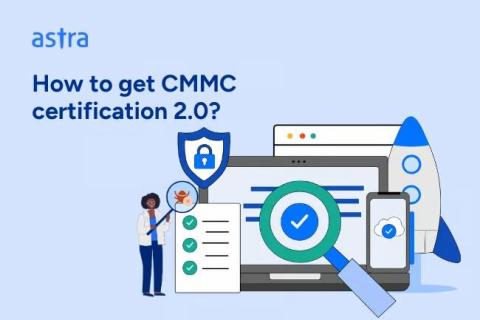
Most defense contractors focus on winning contracts, delivering on time, and maintaining quality. However, the reality is that without CMMC certification, you won’t even qualify to bid. The Cybersecurity Maturity Model Certification exists for one primary reason: to protect the defense industrial base from >$600 billion annual cost of intellectual property theft (per Forbes) targeting defense information.
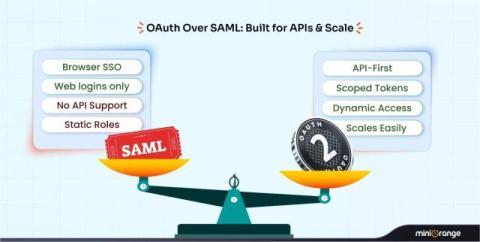
In Atlassian environments, whether you are managing Jira Software, Confluence, or Bitbucket, the choice of authentication protocol plays a critical role in determining your system's security posture, scalability, and overall user experience.
Like Halloween, October is also Cybersecurity Awareness Month, a time for organizations and individuals to sharpen their focus on data protection. With cybercrime rates soaring since 2020, this annual reminder has never been more critical. The conversation is shifting from viewing cybersecurity as just an IT problem to recognizing it as a shared business responsibility. According to the World Economic Forum, human error is a factor in a staggering 95% of all cybersecurity incidents.
Many of our customers ran into an issue where they’d receive questionnaires via third-party vendor portals and would need to import them into the Vanta app. Since these portals lacked spreadsheet export, their only option was to manually copy and paste questions into a spreadsheet before uploading it to Vanta.
On October 11, 2025, Oracle released an emergency fix for a high-severity information disclosure vulnerability in Oracle E-Business Suite (EBS), tracked as CVE-2025-61884. The flaw exists in the Runtime UI component of Oracle Configurator and allows remote unauthenticated threat actors to access sensitive resources. Oracle has not confirmed a link between this vulnerability and the extortion emails received by some Oracle EBS customers from the Cl0p ransomware group in recent weeks.
Job scam texts are blowing up phones everywhere, and they’re only getting sneakier. Stay one step ahead by keeping the fakes out, and help keep your information safe with Avast Mobile Security. You’re in line for coffee when your phone buzzes: “Hi! We reviewed your profile for a remote job. $1,200/week, no experience needed! Text YES to learn more.” Looks tempting at first glance, right? But if your scam radar isn't going off yet, it should be.