Radware’s Cloud WAF provides robust, enterprise-level web application security. It adapts to changing threats and applications automatically, offering full protection against the OWASP Top 10 vulnerabilities.
NIS2 is a transformative directive reshaping how organizations across Europe and the globe approach cybersecurity, supply chain management, and operational resilience. A lot has been written about compliance strategies, but what does NIS2 mean in practice? We’ve asked the Institut Luxembourgeois de Régulation (ILR), Luxembourg’s national regulatory authority responsible for overseeing the implementation and enforcement of NIS2 in the country.
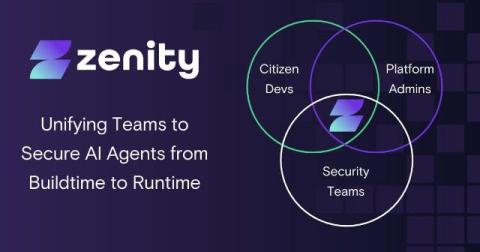
AI Agents are revolutionizing enterprise efficiency, automating decisions, and enhancing capabilities. But while these agents drive operational improvements, they also introduce unique security challenges. Traditional silos often hinder effective risk management.
The newly passed Australian Cyber Security Act is part of the reform laid out in the 2023–2030 Australian Cyber Security Strategy. The legislation aims to fill gaps in Australia’s overall cyber resilience and support the government’s ambition to become the most secure country globally.
We are excited to announce our new integration with Google Cloud’s Confidential Space, which dramatically enhances the security of customer digital assets. This integration solves a critical challenge in cryptocurrency security: private key management. By leveraging Confidential Space, Fireblocks customers can ensure that no single party has full access to private keys, significantly reducing the risk of theft or misuse.
Endpoint detection and response (EDR) has been a standard method for securing on-premises devices for years. When combined with antivirus software, it’s proven an effective way to uncover threats before they can cause severe damage. However, the growth of smartphones and other mobile devices means more and more work is getting done outside of the office. Organizations can no longer rely on traditional EDR protections as millions more endpoints are now exposed to the threat of a cyber attack.
Nine in ten Americans now own a smartphone, according to a 2024 Pew Research study. And these smartphones are increasingly being used for work. A general rise in remote work since the COVID-19 pandemic has led to an increase in the usage of mobile devices and personal software for work purposes, as people report in from home, coffee shops, or anywhere. This increased mobility offers many benefits for workers.
In the past, an organization’s digital data was safe behind passwords, firewalls, and physical locked doors. Today, cloud computing and remote work have rendered these traditional approaches much less effective. Threat actors can launch attacks from almost any device, almost anywhere. Usernames and passwords are widely available on the dark web. To keep sensitive data safe, organizations must understand that any account — even one with the proper credentials — could be compromised.
As Software Bill of Materials (SBOMs), become increasingly necessary and in some cases, required by private companies and governments globally, they are meant to provide transparency and help organizations understand what is in their software. But if SBOMs are so helpful, how come nobody knows what to do with them?
This sentiment expressed by Fiverr’s VP of Business Technologies perfectly reflected the energy at the Fal.Con 2024 Torq booth and struck a chord with security teams using CrowdStrike’s powerful tools. Detection isn’t the problem — CrowdStrike excels at that. The challenge lies in automating what happens next.