Security | Threat Detection | Cyberattacks | DevSecOps | Compliance

AI Just Rewrote the Rules of BEC: Are Your Defenses Ready?

Today, the average phishing email that lands in your CEO's inbox is flawless. It uses perfect grammar, contains an intimate understanding of your organization’s current business landscape, and ends with an urgent, contextually relevant request. This isn't the work of a typical cybercriminal; it's the hallmark of generative AI being weaponized, transforming social engineering from a numbers game into a targeted strike.

OWASP Dependency Check: How Does It Work?

The Open Web Application Security Project (OWASP), is an online community that produces free, publicly available articles, methodologies, documentation, tools, and technologies in the field of web application security. Open source components have become an integral part of software development. According to Mend’s Risk Report, 96.8% of developers rely on open source components.

Safeguarding Sensitive Data in the Digital Age: The Evolution of DLP

In today’s interconnected world, data has become the lifeblood of business success, driving innovation, customer engagement, and operational efficiency. As organizations embark on rapid digital transformation, the proliferation of cloud computing and mobile devices, stringent privacy regulations such as GDPR and CCPA, and the rise of disruptive technologies like AI all play a key role in guiding the direction.

How Poor User Experience (UX) Can Undermine Your Enterprise Security

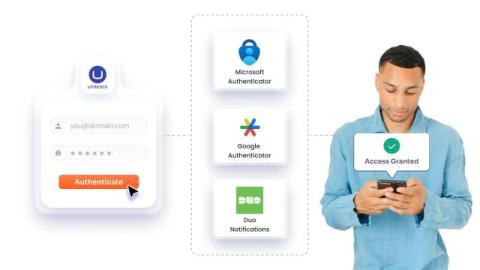
For years, cybersecurity has been chasing a future where passwords no longer exist. And yet, here we are in 2025—still resetting them, reusing them and getting breached because of them. The reality is this: despite all the talk about passwordless authentication, we still live in a password-dependent world. Credentials remain the No. 1 attack vector.

5-Step Plan for Prevention of Social Engineering Attacks

Cyber threats aren’t always about complex code or advanced hacking tools. Often, they start with a simple trick—convincing someone to click a link, share a password, or let someone into a secure area. This tactic is called social engineering. Social engineering is when attackers trick people into breaking security rules. Instead of hacking systems, they use lies, pressure, or fake trust to get what they want. These attacks work well because they target human emotions, not technology.

LockBit Ransomware Panel Breached: Database Dump Reveals Deep Insights into RaaS Infrastructure

The LockBit ransomware group's dark web infrastructure has suffered a major blow following a significant breach on May 7, 2025. This cyberattack targeted LockBit's onion-based infrastructure—including their affiliate and admin panels—and resulted in the complete defacement of the sites. The attackers left behind a taunting message: "Don't do crime, CRIME IS BAD xoxo from Prague," along with a link to a leaked MySQL database dump.

CrowdStrike Falcon for Mobile Gains Android Enterprise and Zero Trust Integrations

As organizations support an increasingly mobile workforce, the challenge of securing access to corporate resources from personal and company-owned devices, across various locations, networks, and use cases, has grown more complex. According to Verizon's 2024 Mobile Security Index, 53% of organizations experienced a security incident involving a mobile or IoT device that resulted in data loss or downtime, highlighting the escalating risks associated with mobile endpoints.

What Is a Data Breach and How to Mitigate Its Effects

‍ ‍All data breaches are considered cyber attacks, but not all cyber attacks are breaches. A data breach is a unique type of cyber incident that specifically involves unauthorized access to sensitive and confidential information pertaining to customer data, corporate data, or both. DDoS attacks and business outages, for instance, are not categorized as breaches because an external actor has not compromised internal assets.