Security | Threat Detection | Cyberattacks | DevSecOps | Compliance

Managed WAF, Demystified: How to Evaluate Vendors for Services

“Managed WAF” often gets mistaken for a support contract or a few policy updates. In reality, it is an operational security service that should deliver measurable protection outcomes across onboarding, day-to-day monitoring, and incident response. This guide is vendor-agnostic. Use it to run a deeper evaluation, set clear expectations, and unlock the full value of a managed Web Application and API Protection program.

How Advanced DLP Accelerates Data Breach Recovery and Reduces Regulatory Risk

Data breach recovery has become a top priority for organizations in today’s digital world. Organizations must protect sensitive information that flows through networks, cloud environments, and endpoint devices. Data breaches, insider threats, and accidental leaks expose organizations to financial losses, compliance violations, and damage to their reputation.

Drowning in Alerts? This is Why Your Organization Needs MDR

Trustwave, A LevelBlue Company, regularly writes about Managed Detection and Response (MDR) covering every aspect of our solution, the partners we work with, what industry analysts think, but sometimes it’s good to circle back and cover the basics. We’ll do that today breaking down what MDR is and why you need it. The number of threat actors and cyber threats are not likely to decrease any time soon, or even far down the road.

FedRAMP Monthly ConMon vs Annual Assessments

We say this just about every time the subject comes up (which is often, given our industry and role in it), but valid information security is not a state of being. It is a moving target and a process. Achieving certification for a certain level of security is a snapshot of a moment in time, but before the hands on the clock swing around again, that snapshot is out of date. Security frameworks like FedRAMP deal with this reality in a few different ways.

Cloud Ransomware: How Storm-0501 Hackers Are Redefining Data Extortion

Ransomware is no longer confined to on-premise networks. A recent report from Microsoft reveals how Storm-0501, a notorious threat group, has pivoted its focus from traditional device encryption to cloud-based ransomware attacks. By exploiting native cloud features, these attackers bypass conventional malware defenses, exfiltrate sensitive data, destroy backups, and extort organizations—all without deploying traditional ransomware encryptors.

Cloud Ransomware Attack: Storm-0501's Azure Tactics and How to Defend

Cloud adoption has transformed how organizations store and secure critical data—but it has also created new opportunities for attackers. A recent campaign by Storm-0501, a financially motivated ransomware group, highlights how devastating a cloud ransomware attack can be when backups and recovery measures fail.

Secrets Sprawl and Credential Abuse: 2025's Hidden Enterprise Threat

In 2025, cybersecurity is no longer defined by firewalls or VPN barriers—it hinges on identity. Enterprises face a growing hazard from secrets sprawl and credential abuse. With API keys, tokens, and passwords scattered across repos, containers, and dev chat channels, attackers exploit these gaps with alarming precision. This isn’t just an IT headache—it’s a boardroom crisis that demands strategic action.

Beyond PCI and HIPAA: How Feroot Powers Digital Operational Resilience Act (DORA) Compliance

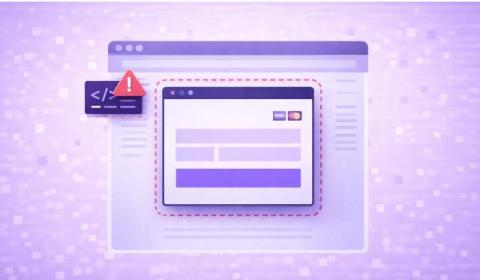
If you’re in financial services—or provide technology services to banks, insurers, or fintechs—the answer is almost certainly yes. DORA, which takes effect in January 2025, creates a harmonized EU-wide regulatory framework to ensure that financial institutions and their vendors can withstand cyberattacks and technology disruptions.

One unexpected challenge organizations face while implementing SOC 2

In this article SOC 2 compliance is often framed as a technical or operational milestone. But after guiding multiple organizations through the SOC 2 implementation process, I can confidently say that one of the most unexpected and arguably most complex challenges is cultural: shifting an entire organization’s mindset to embrace a “security-first” ethos.