Westcon-Comstor Expands Partnership with Juniper Networks Further into EMEA
Global technology provider and specialist distributor extends Juniper Networks partnership into Benelux, Cyprus, Greece, Italy and Malta.


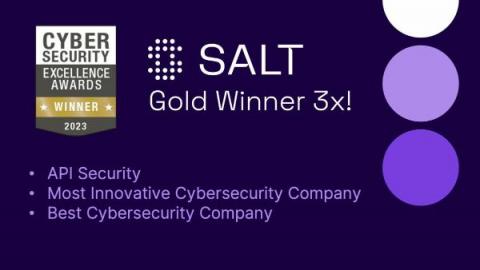
It’s our own version of the triple crown! Salt Security has won gold in not one, not two, but three categories in the 2023 Cybersecurity Excellence Awards! It’s like being at the Oscars and winning Best Picture, Best Actor, and Best Director! Check out our award announcement! This year, Salt won highest honors for: Being recognized as the top solution for API security means a lot to our team.
Unlock with Okta has been available in public preview since February. Starting today, all 1Password Business customers can sign in to 1Password using Okta instead of their account password – and support for other SSO providers is coming soon.
Since 2009 we have been innovating and creating the best and most innovative cybersecurity technologies for our customers. This hard work pays off every day when we talk with our customers and others in the industry, about the strength of their security posture with CleanINTERNET®. We also appreciate when our company and technology is validated by third parties.
Announcing the general availability of JFrog Xray’s advanced security features in self-hosted subscriptions, organizations have the flexibility to manage and secure their software development pipelines in-house and in the cloud.
Salt has long benefited from the unique support that comes from being part of the Y Combinator accelerator program (Salt was in the Winter 2016 batch), and all these years later, we’re thrilled to have been named to not one but two of YC’s Top Company lists – the Top Private YC companies 2023 and the YC Breakthrough Companies 2023. For the Top Private list, it’s deja vu all over again, since we made that list last year as well.
We’re proud to announce that SecurityScorecard has been named to Fast Company’s prestigious annual list of the World’s Most Innovative Companies for 2023. This list highlights companies at the forefront of their respective industries, who are rethinking business and culture, while paving the way for future innovations. We’re honored to join the ranks of other innovators, such as OpenAI, Disney, and Tiffany & Co.
After 4 months of hard work we’re proud to announce the release of Teleport version 12! From expanded Windows and Kubernetes support, to a preview of a brand new feature we’re calling Device Trust, Teleport 12 is loaded with improvements and new capabilities that make it easier than ever to securely access your entire infrastructure ecosystem.