

Security | Threat Detection | Cyberattacks | DevSecOps | Compliance

Digital Security Risks During Separation or Divorce: Protecting Your Privacy When Relationships Break Down

During separation or divorce, the breakdown of a relationship often brings unexpected digital risks alongside emotional and financial challenges. Many couples spend years sharing passwords, devices, and online accounts without a second thought. However, when trust erodes, this shared digital access can quickly turn into a serious cybersecurity and privacy concern. Understanding how digital exposure happens and how to manage it responsibly is becoming an essential part of modern family disputes.


From Startup to Scale-Up: Why Indian Businesses Are Moving to Advance Servers

The startup world in India is withering like never before. Founders are dreaming bigger, shipping faster and building fast, whether it is a two-person SaaS team in Bengaluru or a fintech disruptor in Mumbai. However, it is between the fun of traction and the mayhem of scale that reality kicks in, your infrastructure begins to groan. What starts as a basic server to host startups in India may not be able to sustain in case of the incoming real users. Page loads slow down. Security questions pop up. Periods of downtime is not merely an inconvenient thing anymore but it is also a business risk.

How Threat Intelligence Builds Shared Responsibility in Cybersecurity

Recent high-profile incidents, such as attacks in the retail sector or the closure of KNP following a devastating breach, have pushed cybersecurity onto the boardroom agenda. However, as it rises in visibility, a fundamental misunderstanding persists about how protection works. Responsibility for security is frequently concentrated on a few individuals.

2025 Data Security Insights and Resources to Prepare for 2026

Data security in 2025 was less about reacting to breaches and more about surviving in a world where data is everywhere, attackers are faster, and trust is fragile. While the core goal of protecting sensitive information hasn’t changed, how organizations approach security has evolved significantly.

New ConsentFix Technique Tricks Users Into Handing Over OAuth Tokens

Researchers at Push Security have observed a new variant of the ClickFix attack that combines “OAuth consent phishing with a ClickFix-style user prompt that leads to account compromise.” The technique, which the researchers call “ConsentFix,” tricks victims into copying and pasting a localhost URL containing an authorization token, then pasting it into a phishing page.

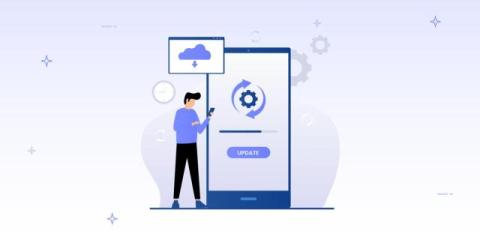
What Happens When Outdated App Versions Circulate Unnoticed? How to Regain Control?

Most teams assume that once an update is released, the old version quietly disappears. But mobile distribution doesn’t work that way. Some app stores delay syncing updates. Others keep older APKs accessible. Third-party sites mirror binaries and never refresh them. Certain regions continue serving outdated versions weeks after security fixes go live.

Supervised AI Is the Fastest Path to Better Threat Triage ROI

Security operations teams are under sustained pressure. Alert volumes continue to rise, environments grow more distributed, and experienced analysts remain scarce. Much of the industry conversation around AI focuses on autonomy and fully automated response. That focus skips the most reliable efficiency gains available right now.

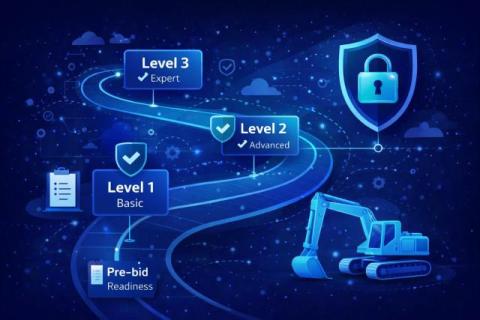
What The New CMMC Rules Mean For DoD Contractors

If your organization does business with the U.S. Department of Defense, or plans to, you need to know about a major change that just went into force. CMMC, or Cybersecurity Maturity Model Certification, is the Department of Defense’s standard for ensuring contractors meet basic cybersecurity requirements. It was designed to protect sensitive government data across the entire defense supply chain. As of November 2025, CMMC is no longer optional.

Navigating Workspace Compliance: Best Practices for Enhanced Security

Staying compliant is essential for protecting your organization from unexpected costs and reputational damage. As regulations grow more complex, businesses must ensure consistent adherence to security and data protection standards. With the rise of hybrid and remote work, solutions like Acronis Protected Workspace provide a secure, controlled environment designed to help organizations meet evolving compliance needs with confidence.

The Best AI RMM Software: Features, Benefits, and Key Comparisons

Managing today’s complex and distributed IT environments requires more than traditional monitoring tools. MSPs need intelligent and automated systems that can detect issues early, streamline service delivery, and strengthen security across every endpoint they manage. That is where AI RMM software becomes essential. By providing a centralized platform, AI RMM software enables managed service providers to monitor client endpoints and perform remote management efficiently.