What do I say if my team discovers a breach of our digital assets? This is a question that requires understanding “defensible disclosure,” a term first employed in the statistical, medical, legal, and financial communities.* Understanding what this term means and how to live up to its expectations is key in an age where organizations regularly handle intrusions and, sometimes, suffer breaches.
The Splunk Threat Research Team continues to address ongoing threats in relation to geopolitical events in eastern Europe. The following payload named Cyclops Blink seems to target Customer Premise Equipment devices (CPE). These devices are generally prevalent in commercial and residential locations enabling internet connectivity (Cable, DSL Modems, Satellite Modems, Firewalls, etc).
Resilience means more than bouncing back from a fall at a moment of significantly increased threats. When addressing resilience, it’s vital to focus on long-term goals instead of short-term benefits. Resilience in the cybersecurity context should resist, absorb, recover, and adapt to business disruptions.
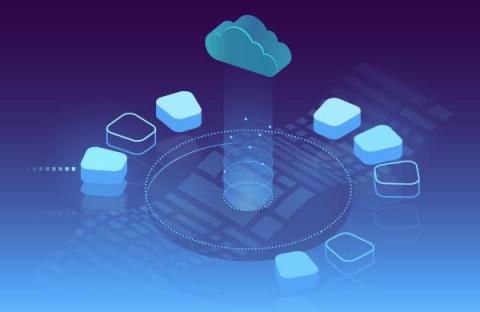
Databases are sensitive resources that need an additional layer of protection and security. Though database servers have built-in authentication and authorization mechanisms, they are not designed for cloud-based, multi-tenant access mechanisms. Managed databases such as Amazon RDS are accessed and administered by different personas with varying levels of access permissions.
Have you ever wondered what vulnerabilities are exploited the most by threat actors? The answers you have been eagerly waiting for could be found inside a joint Cybersecurity Advisory (CSA) coauthored by the cybersecurity authorities of the United States (CISA), Australia (ACSC), Canada (CCCS), New Zealand (NZ NCSC), and the United Kingdom (NCSC-UK), plus the U.S. National Security Agency (NSA) and Federal Bureau of Investigation (FBI).
Many organizations need to meet various compliance standards, and investing in a security information and event management (SIEM) solution can often help them reach that goal. But it worth the cost and effort to deploy a SIEM solution solely for compliance? Or is there a way to maximize the value of your SIEM by strengthening cybersecurity as well as achieving compliance? This article will help you answer those critical questions.
Microsoft Teams is a fantastic collaboration tool allowing people to share data effortlessly within the same organization and even across organizations. Unfortunately, because it was built with collaboration as the primary driver, it can be easy to ‘overshare’ data you don’t want to share.
It has been nearly a year since the President Biden’s Executive Order 14028 catapulted Software Bills of Materials (SBOMs) from niche topic to the forefront of efforts to improve security of cyber supply chains. Since then not only have federal agencies including NIST and CISA delivered significant amounts of guidance and insight, but SBOMs have been the subject of intense debate across developer communities and beyond.
We live in risky times. Security incidents and data breaches are more common than ever and digital-minded companies usually bear the brunt of it. Organizations are constantly at risk and can be compromised in no time by ransomware, cyberattacks, social engineering, and corporate espionage. But, in truth, the most common way companies are undermined and infiltrated is through the actions of individual members inside of the organization itself.