Security | Threat Detection | Cyberattacks | DevSecOps | Compliance

Introducing Reachability Analysis to Triage Exploitable OSS Vulnerabilities

Security experts dedicated to shaping insightful editorial content, guiding developers and organizations toward secure cloud app development. Dive into a wealth of knowledge and experience in fortifying software integrity. Keeping up with open source security alerts can feel like chasing ghosts — your scanner flags dozens of CVEs in your dependency tree, but not every vulnerable function is actually used in your code.

Introducing the Jit MCP Server: Security Context and Automation at Your Fingertips

Meshi Yona is the Software Development Team Lead at Jit, where she brings together a strong foundation in cyber systems, analytical thinking, and leadership. Today, we're thrilled to announce the launch of the Model Context Protocol (MCP) Server for Jit, now available in preview for our customers. MCP is an innovative new standard rapidly gaining traction across the AI ecosystem — designed to bridge the gap between applications and large language models (LLMs).

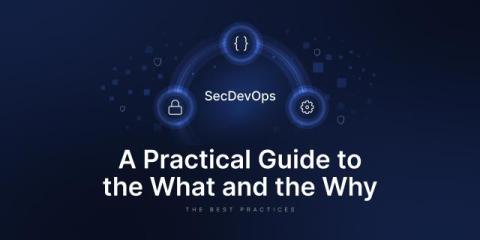
SecDevOps: A Practical Guide to the What and the Why

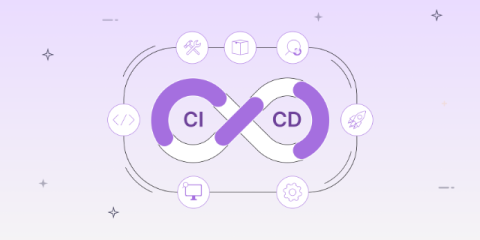
The transition from DevOps to DevSecOps – and now to SecDevOps – signals more than a change in terminology. It underscores that security can no longer be an afterthought in the software development lifecycle. It must lead, setting the tone and structure for everything that follows. Such a shift is what defines SecDevOps. It’s a model where security is the starting point, not the final checkpoint, guiding the conceptual approach and day-to-day operations.

How Businesses Use Satellite Imagery APIs To Work Smarter

Satellite images used to be hard to get and even harder to use. Now, that's changed. APIs have made satellite data more accessible than ever, and businesses are taking notice. With just a few lines of code, you can monitor land, track patterns, and uncover trends that are invisible from the ground. By integrating a satellite imagery API in your application, you bring powerful visual data into your daily operations. Whether it's for analysis, alerts, or reporting, the right image at the right time can make a real difference in how you see the world and interact with it.

New Unifying API and Product Security with Jit + Traceable: Accelerated Triage, Smarter Remediation

As the Director of Product Marketing for Jit, Charlie is responsible for telling Jit's story to the developer and security communities. We’re excited to announce that Traceable is now integrated with Jit. Today’s security teams are overwhelmed — drowning in vulnerability alerts and disconnected tooling. Traceable delivers deep, contextual API and application security insights, automatically identifying vulnerabilities with rich runtime context and risk-based prioritization.

Top Automated Pentesting Tools Every DevSecOps Team Should Know

Penetration testing (“pentesting”) has shifted from a once-a-year checkbox to a continuous necessity. In fact, by 2025 the pentesting industry is expected to hit $4.5 billion as companies race to find vulnerabilities before attackers do. Yet 38% of companies only run 1–2 pentests per year – leaving long gaps where new flaws can creep in. That’s a dangerous game when 73% of breaches involve exploiting web app vulnerabilities.

DevSecOps Implementation Checklist for Mobile Apps

Shift left. Secure fast. Release often. Mobile teams are adopting this approach from day one to boost productivity, facilitate cross-team collaboration, and shorten release cycles. As mobile apps become the primary gateway to business and customer data, embedding security into every stage of development isn’t a luxury—it’s a necessity.

Top Devsecops Tools in 2025

DevSecOps isn’t just a buzzword in 2025 – it’s how modern teams build software without leaving security behind. About 61% of DevOps teams have now adopted DevSecOps practices, meaning automated security checks are embedded throughout development. And for good reason: cyber threats are evolving, from surging open-source supply chain attacks (over 10,000 malicious packages were found in one quarter) to misconfigurations that attackers exploit in cloud infrastructure.