Security | Threat Detection | Cyberattacks | DevSecOps | Compliance

How to Align Your DevSecOps Framework with Software Supply Chain Security

A strong DevSecOps framework integrates security into every stage of the software development lifecycle (SDLC). But as development accelerates, reliance on third-party and open-source code grows, introducing significant risks from the software supply chain. Aligning your DevSecOps framework to address these specific threats is no longer optional. It’s essential for building resilient and secure applications.

Top 10 Challenges in DevSecOps Adoption

Integrating security into the software development lifecycle (SDLC) is no longer optional. DevSecOps adoption promises to bridge the gap between development speed and security rigor, enabling teams to build secure software faster. However, the path to a mature DevSecOps practice is filled with obstacles. Understanding these challenges is the first step toward overcoming them. This post outlines the top 10 challenges that hinder effective DevSecOps adoption.

Eliminate AppSec Noise: Jit's AI Agents Find Real Exploitable Risks

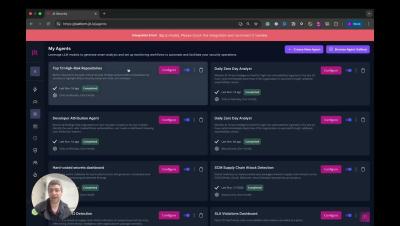
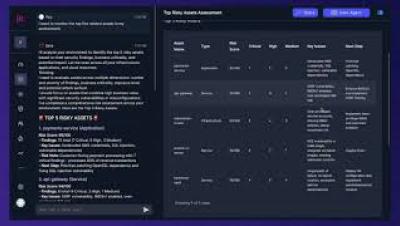
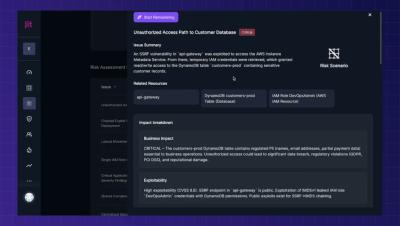
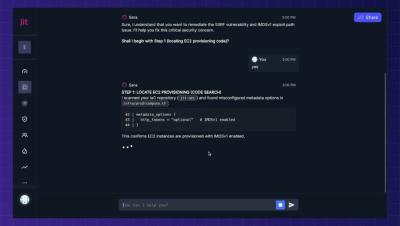
Application security scanners generate endless alerts, but most don’t translate into real risk. Meet Sera, Jit’s AI-powered Security Evaluation and Remediation Agent. Sera automatically connects scanner findings, uncovers toxic combinations, and explains exploitable attack paths—saving AppSec teams hours of manual investigation. See how AI Agents eliminate noise, automate investigations, and deliver clarity so your team can focus on what matters.

What is the Difference Between DevOps and DevSecOps?

For engineering managers, the pressure to deliver software faster has never been higher. You are constantly balancing the need for velocity with the imperative of stability and quality. While DevOps revolutionized the software development life cycle (SDLC) by breaking down silos between development and operations, it left a critical gap: security. In a landscape where cyberattacks are growing in sophistication and frequency, treating security as an afterthought is no longer a viable strategy.

A Practical Guide to Implementing DevSecOps in Your Organization

Implementing DevSecOps integrates security directly into your DevOps pipeline, allowing you to build secure applications without sacrificing speed. Many organizations treat security as an afterthought, which leads to increased risk, mounting security debt, and costly project delays. Data shows that half of organizations have critical security debt (high severity, high exploitability flaws) This article provides a clear, six-step framework for implementing DevSecOps.

What is Secure Source Code? Source Code Security Best Practices to Protect Against Theft

Software has become the foundation of numerous companies and institutions worldwide, which has made the protection of source code critical in today’s digital environment. Code security refers to such measures that are put in place to guard this asset against fraudsters, theft, and attacks among others.

PCI DSS 6.4.3 Is the Canary in the Coal Mine for Client-side Security

Here's the hard truth: 98% of websites load third-party scripts. Few teams know exactly what scripts are loaded. Even fewer know what those scripts do (what elements in the browser they are interacting with), and a miniscule amount of teams have any control over what those scripts do. When I say "teams" I'm referring to different stakeholders - security engineers, risk & fraud analysts, compliance managers, and even the marketing department. That's one of the challenges of client-side security. Almost every internal department touches the website. It might be the most collectively edited environment that exists in a company.