Security | Threat Detection | Cyberattacks | DevSecOps | Compliance

Ahead of the curve: Proactively managing third-party risks

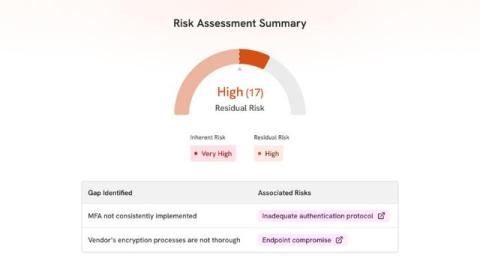
According to a Gartner report, 60% of organizations will rely on third-party vendors for more than half of their critical business operations by 2025. However, Gartner also warns that third-party risk events – such as data breaches or compliance violations – will increase by 30% in the same timeframe. As a technology leader, these figures resonate deeply with the challenges I see organizations facing daily.

The 2025 DORA Deadline is Here: Simplify Compliance with Teleport

The Digital Operational Resilience Act (DORA) comes into full effect on January 17, 2025. This deadline marks a monumental shift in how financial institutions and their technology providers prioritize and maintain operational resilience and cybersecurity standards – and sets in stone real business and regulatory consequences to ensure resilience is achieved. And like any sweeping security regulation, organizations must embark on an uphill journey to earn full compliance.

CMMC Auditor vs Assessor (CCA): How the Two Compare

The full compliance process for CMMC, the Cybersecurity Maturity Model Certification, culminates in an audit that validates an organization’s cybersecurity posture and its implementation of the security controls that apply to it. Throughout this process, there is a gatekeeper who performs your audit. You may have heard of them referred to as a CMMC Auditor or a CMMC Assessor. With these two terms in play, you may be wondering what the difference is between them.

DORA Compliance: Checklist for 2025

Financial organizations across Europe are actively preparing for the Digital Operational Resilience Act (DORA), taking effect in January 2025. Meeting DORA compliance requirements has become essential for financial institutions as they adjust their operations to match new regulatory standards. The legislation brings substantial changes to information and communication technology (ICT) risk management practices, security protocols, and third-party oversight.

5 key differences between the NIST AI RMF and ISO 42001

The AI space is developing rapidly but is still largely uncontrolled. According to The State of Trust Report 2024, 62% businesses plan to invest more in AI security in the next 12 months. ‍ The good news is that AI security can now be better implemented with the help of many authoritative new AI standards and frameworks rolled out in the past few years. The aim with any of these standards is to remove the uncertainty around AI systems and ensure responsible implementation.

Understanding ROPA: Who, What, Why?

ROPA is primarily utilized by organizations subject to data protection regulations. While it is a legal requirement for businesses of all sizes handling personal data, it is especially critical for large enterprises that process substantial volumes of data or sensitive information. Compliance officers, data protection officers (DPOs), legal teams, and IT departments often rely on ROPA to demonstrate compliance to regulators during audits or investigations.

Navigating DORA Compliance: A Roadmap to Operational Resilience with Trustwave

The Digital Operational Resilience Act (DORA) is poised to reshape the European financial landscape, demanding a robust defense against cyber threats and operational disruptions and Trustwave is putting the pedal to the metal to prepare clients with our DORA Readiness Accelerator service. The Trustwave DORA Readiness Accelerator, which joins Trustwave’s CMMC readiness and Microsoft Security accelerators, provides a structured approach to achieving compliance and bolstering operational resilience.

The Top 10 Reasons People Fail a CMMC Audit

The Cybersecurity Maturity Model Certification, version 2.0, is finally in effect, which means thousands of businesses that have roles in the Department of Defense supply line need to do the work to comply and pass their audits to receive certification. It’s inevitable that many of these businesses will fail their initial audits. The standards are high, the margin of error is narrow, and the timeline is tight.