Mailchimp
Not subscribed to OpsMatters Newsletter


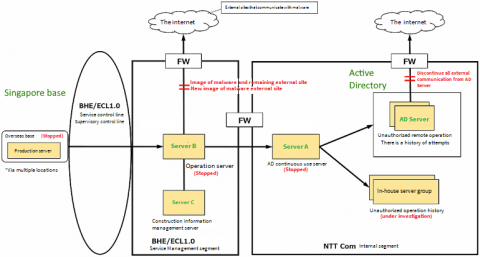
We’ve always been vocal about the imminent threat of breaches and propagated the message that irrespective of the size of your business, the industry you’re in, or your geography, you can be subject to a security breach. And unfortunately, history repeats itself often. On May 11, 2020, Nippon Telegraph & Telephone (NTT), a large telecommunications company, revealed that attackers may have stolen data from its internal systems, affecting over 600 customers.
As our personal and business lives move into the digital sphere, implementing robust cybersecurity practices has quickly become a necessity. Much like brushing your teeth twice a day or making sure you get eight hours of sleep each night, it’s important to regularly protect and clean our data. Indeed, with 70% of Americans conducting their banking primarily online, it’s easy to see that a lapse in judgment or ignorance of how to stay safe could have serious consequences for many.
Ransomware has been around for decades going back all the way to 1989. Since then it has only magnified in scope and complexity. Now at a time when working remotely is becoming more universal and the world is trying to overcome the Covid-19 pandemic, ransomware has never been more prominent. Ransomware is a type of malware that prevents users from accessing their system or personal files and demands a “ransom payment” in order to regain access.
Being a sysadmin basically means being a superhero. Fighting bad guys (aka hackers), helping ordinary people (aka users), saving your home (aka IT environment) from various disasters — it all sounds very heroic, but it’s just an average day in a sysadmin’s life. But superheroes can feel pain as well. Five years ago, we asked brave sysadmins to blow off some steam and complain about their suffering by letting us know what they really hate about their work.
With the new normal adding several more challenges and variables to the security layer, how do you ensure your data is safeguarded without increasing the workload or the headcount of your security team? Using advanced analytics, in tandem with endpoint monitoring applications such as ManageEngine’s Mobile Device Manager Plus and Desktop Central, will help you better visualize and analyze your endpoint data, identify patterns, and establish correlations.
As healthcare and life sciences organizations move to digitize their operations and automate their workflows, they are encountering new challenges related to HIPAA regulations, which dictate how patient information should be collected and stored.
Limited budgets, limited staff, limited time. Any security professional will have dealt with all of these repeatedly while trying to launch new initiatives or when completing day-to-day tasks. They are possibly the most severe and dangerous adversaries that many cybersecurity professionals will face. They affect every organization regardless of industry, size, or location and pose an existential threat to even the most prepared company.