Mailchimp
Not subscribed to OpsMatters Newsletter


Remote Desktop Protocol (RDP) is a communication protocol developed by Microsoft, which provides a user with a graphical interface to connect to another computer over a network connection[1]. Once connected, the remote user will be able to communicate with the machine using their input devices, keyboard and mouse, and to have their screen displaying the output of their actions – as if they were physically connected. Simply put, gaining access to your crown jewels.
Table of Contents:
00:00 - Introduction
00:08 - C&C concept
00:31 - C&C types
01:02 - C&C in SecOps
01:41 - C&C in SecOps: alerts
02:23 - C&C in SecOps: Triage
02:45 - C&C in SecOps: new investigation
03:14 - C&C in SecOps: associations
04:09 - C&C in SecOps: related alerts
04:49 - C&C in SecOps: Hunting
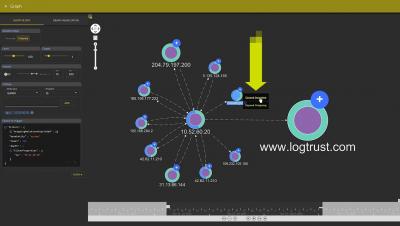
05:18 - C&C in SecOps: identify outbound traffic
The U.S Government released on January 5, 2021, a cybersecurity plan to secure the nation’s maritime sector against cybersecurity threats that could endanger national security.
2020 provided a perfect storm for cybercriminals to extort record amounts from vulnerable businesses. Recent reporting has identified life sciences companies as being particularly attractive to target as they have valuable intellectual property information and have enough funding to pay high ransom demands. The pharmaceutical industry is currently at the top of the most targeted industries for such attacks.
Identified as targeting cryptocurrency users through nefarious cross-platform applications, a remote access trojan (RAT) dubbed 'ElectroRAT' has recently been in the headlines following an investigation into the threat by researchers at Intezer.
Almost exactly a year ago, cybersecurity professionals were locked in a heated debate about insurance. While some were keen to point out that the future of the industry would need to include some form of insurance market, others argued that cyber insurance would never be worth the premiums, especially given the inherently volatile nature of cybersecurity. The pandemic has changed all of that.
With exponential growth of businesses utilising technology in recent years, information security has increased its importance justifiably. We cover top principles of information security, importance of security policies and steps to improve security within an organisation.
NEW RESEARCH – On December 30, Fredrik Nordberg Almroth, security researcher and co-founder of Detectify – the Sweden-born cybersecurity company that offers a web vulnerability service powered by leading ethical hackers – found a vulnerability that left the country code top-level domain of the Democratic Republic of Congo, .cd, open to severe potential abuse.