Mailchimp
Not subscribed to OpsMatters Newsletter


India’s ever-expanding digital infrastructure in the wake of the pandemic has escalated the demand for new, updated, and improved regulatory mandates for strengthening cybersecurity. Rampant cybersecurity incidents have been occurring weekly, alarming businesses, organizations, and individuals across India.
With each passing year, hacker attacks become more advanced and sophisticated, so keeping up with security vulnerabilities is now more crucial than ever. This article highlights some of the most dangerous vulnerabilities exploited by malicious actors in 2022.
Cloud Security Posture Management (CSPM) aims to automate the identification and remediation of risks across your entire cloud infrastructure. A core requirement of the CSPM framework is the need to enforce a principle of least privilege. There are certain overlaps with Cloud Infrastructure Entitlement Management (CIEM) solutions. CIEM is a newer categorization that came after CSPM.
Security teams often have key management systems that encrypt and securely hold their applications' credentials. Instead of entering these credentials into your automation Stories every time, you can leverage Tines to retrieve an application's credentials whenever you require them in a workflow. Tines continues to expand our partnership with HashiCorp and allows mutual users to connect with the HCP Vault by using the AppRole authentication method.
The coming of the internet was a beautiful thing, bringing about accessibility to reach everyone across the globe. But this reach is a double-edged sword. If everyone is just a click away, so are bad actors who can reach back to attack the organization at its weakest spot, trying to access information that it strives very hard to protect.
Phishing attacks are becoming more and more common, and they're only getting more sophisticated. While there are a variety of ways to defend yourself against phishing attacks, one of the best methods is simply to be able to spot them. With that in mind, here are 10 common signs that an email or other communication may be a phishing attempt.
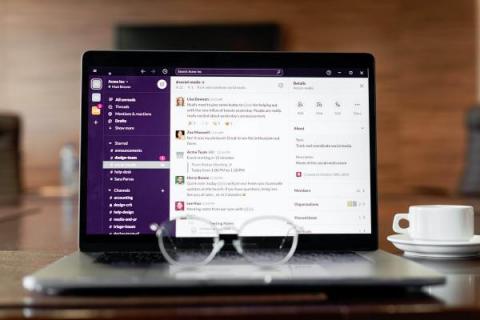
When Uber was breached in September, the hacker remained undetected until they announced their presence within the org via Slack. This incident provides yet another example of Slack being leveraged by an attacker. In this post, we’re going to review some of the ways attackers have used Slack in breaches, why this is happening, and what you can do about it.
Continuing our ongoing series of expert predictions, the following come from Netskope Threat Labs, including what we see on the horizon for software supply chain, phishing, and ransomware.