Mailchimp
Not subscribed to OpsMatters Newsletter


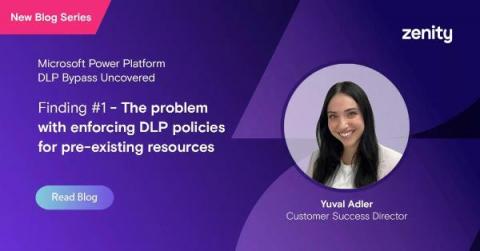
Hello everyone! I’m Yuval Adler, Customer Success Director at Zenity. I’m inviting you to read my blog series where I share new Microsoft Power Platform DLP Bypass findings we uncovered.
The OWASP API Top 10 is a list of common vulnerabilities found in APIs. OWASP created it as a resource for developers, testers, and security professionals to help them understand how to protect against API threats. Many people think that APIs are just another type of web application, but they're not; they have their own set of risks and challenges that need to be addressed. A simple API call can result in a data breach that could have lasting consequences for your business.
Since mid-June 2022, AT&T Managed Extended Detection and Response (MXDR) Security Operations Center (SOC) observed an enormous number of attacks from Mirai botnet-C2 attempting to gain access to SSH servers instead of Telnet.Due to the various tactics, techniques, and procedures (TTP) observed, this attack has been associated with RapperBot botnet (Mirai variants.) RapperBot’s goal is still undefined.
As the world becomes increasingly digital and cloud based, the importance of data protection and privacy has become paramount for all organizations. One key aspect of ensuring compliance with data protection laws and regulations is the appointment of a Data Protection Officer (DPO). However, appointing a DPO internally can present several challenges, including conflicts of interest and a lack of specialized skills. That is where Data Protection Officer as a Service (DPOaaS) comes in.
Identity verification is a critical aspect of many businesses and organizations, ensuring that the individuals accessing resources or services are who they claim to be. With the advent of Artificial Intelligence (AI), this process has become more efficient, secure, and cost-effective. In this blog, we will explore how AI is being used in identity verification and its potential benefits.
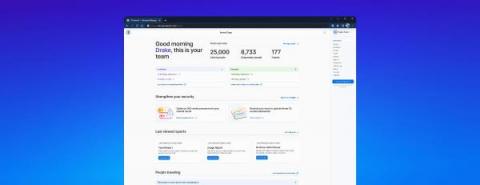
Starting today, 1Password Teams and Business customers have access to a new, streamlined Admin Dashboard. The new dashboard is your home for reporting, Insights, Travel Mode, and user management.
Cybersecurity automation is a hot topic as organizations wrestle with the challenges of increasing attack volumes, cybersecurity skill shortages, and how to make the best use of limited resources to protect the enterprise. However, when it comes to implementing automation with a target of achieving extended detection and response (XDR), it can be hard to know where to start and how to build a case for investment.
The political and economic uncertainty throughout the world today is growing. The danger of malicious hacking is increasing as more and more parts of daily life simultaneously transition to the digital realm. An attack on another country or region by a state or an individual could have catastrophic results. Possible targets include utilities like power plants and communications networks.
The team at LimaCharlie is heading into 2023 with a pace of development that is unprecedented in the history of the company. This month's roll-up has too many new features and capabilities to summarize here - please see below for all the new goodness. Earlier this month, key members of the team got together to reflect on the progress we made in 2022 and pontificate on what we hope to accomplish in 2023. If you missed it, you can watch that talk below.