Mailchimp
Not subscribed to OpsMatters Newsletter


While industries like financial services and healthcare tend to dominate in IT attacks, the tables are turned when looking at Operational Technology (OT) cyber attacks – and the energy sector is the clear “winner.” We spend a lot of time talking about attacks that largely impact IT systems. But OT environments are a growing concern as new targets for cybercriminals.
As attackers evolve their toolsets and processes, the significant drop in dwell time signifies a much higher risk to organizations that now have less time to detect and respond to initial attacks. This is bad news. Two years ago, the median dwell time – the time between gaining access to a network and executing the ransomware – was 5.5 days. Last year it was 4.5 days.
As insurers become more educated on what a “secure organization” looks like, they are tightening their requirements that puts the onus on organizations to be more secure. According to Netwrix’ 2023 Hybrid Security Trends Report, 59% of organizations either have a cyber insurance policy in place or plan to purchase one within 12 months. Cyber insurers have spent the last few years learning what they don’t know about this new market.
The massive uptick in business email compromise (BEC) is considered one of the costliest attack types, requiring organizations to put employees on notice to stay vigilant. The latest research from the FBI puts the average cost of BEC attacks at around $125,000. What makes them so dangerous is that they largely rely on text-only emails using social engineering to trick those with finance responsibilities into parting with the money they control.
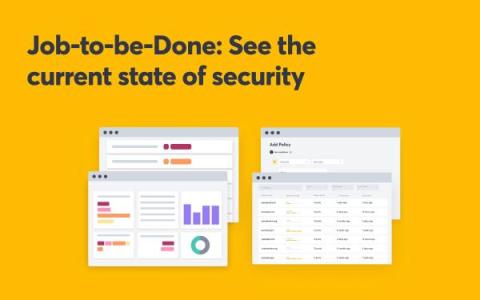
New assets, vulnerabilities, and even human errors like server misconfigurations make a continuously updated overview non-negotiable. AppSec and ProdSec teams must take action on newly discovered vulnerabilities and policy breaches quickly and efficiently. Prioritizing which vulnerabilities and risks to remediate first and having this information all in one place will help security teams get the latest insights about their attack surface immediately.
Kroll has observed an uptick in cases of DARKGATE malware being delivered through Microsoft Teams messages. These campaigns have mainly targeted organizations in the transportation and hospitality sectors. This activity has also been reported throughout open-source reporting, sharing a number of key indicators with Kroll observations, such as common filenames, adversary infrastructure and similar domain name conventions to host the initial download.
In my role as an Inside Solutions Architect at 11:11 Systems, my objective is to match 11:11 Systems range of solutions to meet customer’s data protection needs, from simple off-site BaaS to fully managed DRaaS solutions. That objective is easier to achieve when customers come to the table with an effective and reliable recovery plan. So how do you make an effective and reliable recovery plan? Here are a couple of key consideration points when constructing your recovery plan.
Earlier this year, we introduced the LimaCharlie SecOps Cloud Platform (SCP). The SCP is a unified platform for modern cybersecurity operations. Similar to what the public cloud did for IT, the SCP offers security teams core cybersecurity capabilities and infrastructure: on-demand, pay-per-use, and API-first. In short, the SCP is a new paradigm for cybersecurity. It’s a game-changer for enterprise security teams and cybersecurity solutions builders.