If you are not taking enterprise mobile security seriously, look at these stats: According to the State of Enterprise Mobile Security 2022 Report, 75% of the analyzed phishing sites targeted mobile devices. The same report stated that 30% of the total zero-day vulnerabilities discovered in 2021 targeted mobile devices. Security week states that mobile phishing attacks have increased at a consistent rate of 85% since 2011.
In recent years more open source vulnerabilities have been discovered than ever before. This is all part of the natural evolution; it’s what we expect to see as the amount of open source usage grows within organizations. But there’s something that we missed in this equation: while identifying vulnerabilities, organizations haven’t found a way to block unwanted dependencies, which made them vulnerable to attacks like never before.
Author Brian Mislavsky Rubrik Storage Tiering for Microsoft Azure now leverages Azure Blob immutability by default. In our Winter Release, we introduced Storage Tiering for Microsoft Azure as a way for Rubrik customers to further protect workloads in Microsoft Azure by enabling the ability to logically air gap data between Azure Subscriptions as well as potentially decrease long term storage costs by almost 40%.
Cloud computing security architecture describes how an organization secures data, applications, and workloads hosted across cloud environments. It specifies all technologies — both software and hardware — allocated for protecting cloud assets, and defines the security responsibilities shared between the cloud services provider and the organization. Cloud security architecture is a component of the organization’s overall security approach.
Getting a complete overview of the growing attack surface is difficult. Regardless of how security is organised in your organisation, knowing what Internet-facing assets are exposed and if those assets are vulnerable across many different teams is no simple task. This is doubly true for security teams with dozens – or even hundreds! – of dev teams. We’ve now made it possible for customers on the Enterprise Plan to create and manage subteams through the Detectify API.
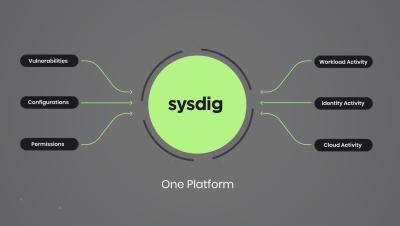
The cloud has enabled organizations to build and deploy applications faster than ever, but security has become more complex. The shift to cloud has created a world where everything is code — not just the applications, but also the infrastructure they run on. So, any security issue within an application or cloud environment can put an entire system at risk. And keeping that cloud native application stack secure is increasingly the responsibility of development teams.
It is a sentence I hear a lot; “We treat Microsoft 365 as an exception in our cloud security because it is a managed app.” You might think that’s a reasonable approach to take, after all Microsoft’s security credentials are impressive, all OneDrive app traffic is encrypted, and there are plenty of other unmanaged cloud applications in use as shadow IT all over your organisation that pull your attention.