Security | Threat Detection | Cyberattacks | DevSecOps | Compliance

Sysdig's AI Workload Security: The risks of rapid AI adoption

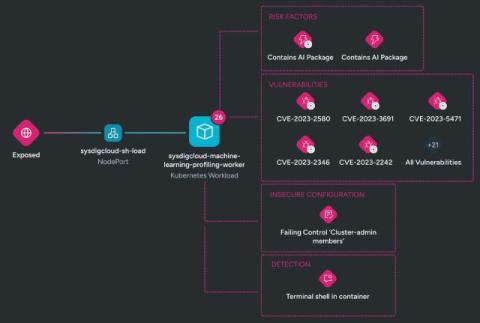
The buzz around artificial intelligence (AI) is showing no sign of slowing down any time soon. The introduction of Large Language Models (LLMs) has brought about unprecedented advancements and utility across various industries. However, with this progress comes a set of well-known but often overlooked security risks for the organizations who are deploying these public, consumer-facing LLM applications.

Keeping Financial Services Organizations Secure in an AI World

When we talk about financial services and technology, security and regulatory compliance are always top of mind. And now, Generative AI has entered the chat - one of the most talked-about technologies of recent years. And Financial Services institutions have only begun to scratch the surface of what generative AI can do. The problem is, so have cyber threat actors. In this session from Splunk, and IDC, you’ll hear key insights into how financial services companies are improving their security posture in an AI World, and how those practices can benefit your organizations.

Why You Should Stick With Answering Service Instead of AI Answering

Communication is essential in today's fast-paced corporate environment. To keep customers satisfied and loyal, businesses of all sizes need to respond to their queries in a quick and correct manner. Businesses are becoming more and more inclined to replace human operators with automated systems as AI-powered response services become more popular. As found in a Fortune Business Insights study, the global call center AI market size was around $1.60 billion in 2023. It is further estimated to grow from $1.95 billion in 2024 to $10.07 billion by 2032.

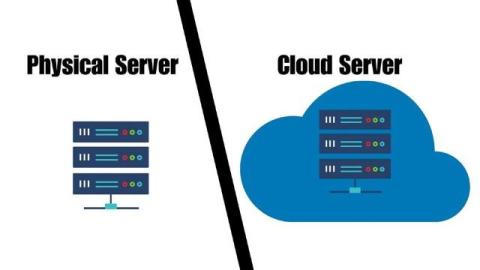
Cloud Server vs. Physical Server: Which One is Better?

In the ever-evolving landscape of business technology, companies are faced with a crucial decision - should they opt for the cloud or maintain their own physical servers? Both options hold distinct advantages, making the choice a complex one that requires careful consideration.

API Security Best Practice by GigaOm #apisecurity #apiattacks #apimonitoring #cybersecurity

In this video, we highlight the most critical criteria for effective API security, helping you understand what to prioritize in your security strategy. Learn how to evaluate and implement key API security measures to protect your organization from growing cyber threats.

Hybrid API Security: The Best of Both Worlds

In API security, organizations frequently encounter a tough decision: whether to opt for the flexibility and scalability of a SaaS solution or the data control and privacy of an on-premises deployment. Salt Security's hybrid deployment option provides a solution that combines the advantages of a SaaS solution with the assurance of data privacy, offering the best of both worlds for organizations.

Mobile apps for healthcare: how the future of medicine is changing

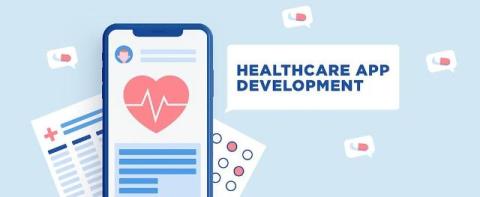
Mobile applications and services in the healthcare industry have completely changed the way users approach monitoring their health. This trend opens up a lot of opportunities for both developers and end users of digital products. The healthcare mobile app development market is already setting its own trends and vision for the future of medicine.

Medical Device Cybersecurity: Strategies to Minimise Risks and Enhance Safety

Medical device cybersecurity is vital to protecting patients and their data from cyber threats. With the rise of connected medical devices like infusion pumps and monitoring systems, cybersecurity challenges have intensified. This article delves into the risks, regulatory frameworks, and proactive strategies to secure these devices effectively.

AWS Migration Made Secure: How CrowdStrike Protects Your Journey

Organizations are migrating and building on AWS to unlock their potential and remove obstacles to growth and innovation. AWS customers are able to focus on building value for their end customers by removing the burden of data center operations and hardware management costs. Cloud-based architectures improve agility, resilience and scalability while allowing enterprise-scale infrastructure to be deployed globally in minutes.