From record-breaking mobile traffic to the rise of new social platforms , this year has been one for the books! We're sharing Internet stats from 2024 that shaped the way we connect, share, and create.
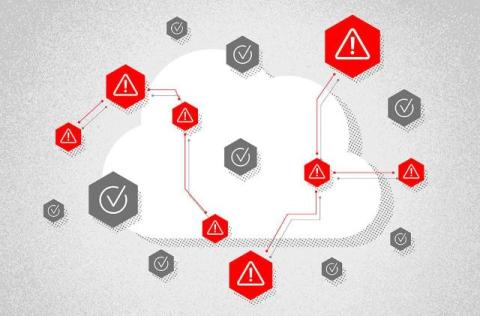
Cyberattackers are exploring stealthier and more sophisticated methods to infiltrate cloud environments. From exploiting misconfigurations to leveraging stolen credentials, adversaries are skilled at evading detection. Cloud logs are invaluable in helping organizations identify potential threats before they can cause damage.
If you’re part of Amazon Web Services Enterprise Discount Program (AWS EDP), we can help you make the most of your EDP commitment. That’s because you can burn down some of the amount you’ve committed to spend by leveraging 11:11 solutions and services.
Cybersecurity leaders across all levels of government are growing increasingly alarmed by the rise of cyber attacks fueled by Artificial Intelligence (AI). Cybercriminals are now incorporating machine learning and automation into their strategies, significantly boosting the scale, efficiency and sophistication of their attacks. According to a recent survey of over 800 IT leaders, a staggering 95% believe that cyber threats have become more advanced than ever before.
Protecting sensitive information has never been more critical, especially in today’s AI-driven world. As businesses increasingly leverage AI and advanced analytics, safeguarding Personally Identifiable Information (PII) and Patient Health Information (PHI) is paramount. Data masking has become a cornerstone strategy, allowing organizations to securely manage and analyze data while significantly reducing the risks of exposure and misuse.
New data unveils record-high government-directed Internet shutdowns, a rise in malicious traffic, and cyberattacks targeting the Gambling and Gaming industries.
In this video, Chinski addresses the challenges posed by malicious AI, such as deepfakes and advanced phishing attacks, emphasizing the importance of threat detection and response. On the flip side, Chinski showcases how One Identity uses predictive AI and machine learning in solutions like Identity Manager and Safeguard to enhance security through behavioral analytics and governance.
Companies may scale their cloud resources in pursuit of product, cost, or process innovation. However, this does not come without a cost of its own. The resulting infrastructure complexity, created from a growing sprawl of access silos, can introduce friction into engineer and security workflows.
Discover the most vulnerable product categories from Q3 and what they mean for API security: A rise in AI and machine learning API exploits, creating new challenges. Why enterprise hardware, DevOps tools, and legacy APIs like XML RPC remain primary targets. How categorizing vulnerabilities provides industry-specific guidance for better protection.
Since the late 1990s, millions have relied on the Internet for searching, communicating, shopping, and working, though 2.6 billion people (about 31% of the global population) still lack Internet access. Over the years, use of the Internet has evolved from email and static sites to social media, streaming, e-commerce, cloud tools, and more recently AI chatbots, reflecting its constant adaptation to users' needs.