Security | Threat Detection | Cyberattacks | DevSecOps | Compliance

Access control policy template that unlocks effortless compliance and security

Access control often feels like the invisible shield keeping your company’s data safe until it’s not there, and suddenly you’re scrambling over a breach or an audit surprise. I’ve seen teams waste hours untangling who had access to what, especially when growing fast or juggling contractors.

How Modern Access Control Is Changing the Way We Secure Buildings

The way we manage who gets into a building has changed significantly over the past decade. Traditional lock-and-key systems are giving way to smarter, more flexible solutions that offer greater control and visibility. Understanding how these systems work can help organisations make better decisions about their security infrastructure.

The Future of Physical Security: 5 Video Surveillance and AI Trends for 2026

The physical security industry is undergoing a massive transformation. Video surveillance is moving past the era of simple video recording into an age of proactive intelligence. This transformation isn’t just about better cameras; it’s fueled by breakthrough cloud software, tightening legal requirements, and a fundamental shift in how businesses protect their assets.

RBAC vs CBAC: Key Differences, Benefits, and Which One Your Business Needs

When businesses grow, managing who can access what becomes serious business. One wrong access permission can lead to data leaks, compliance penalties, or financial damage. In fact, IBM’s Cost of a Data Breach Report 2024 found that the average global data breach cost reached $4.88 million, the highest ever recorded. These numbers necessitate the requirement of having strong access control in place.

Endpoint management system breach: why privileged access management (PAM) is now critical

Endpoint management system breaches stem from compromised privileged access, not unpatched vulnerabilities. Attackers use legitimate credentials to operate undetected within trusted workflows, bypassing traditional controls. Eliminating standing privilege with just-in-time access and enforcing least privilege reduces attack paths, while identity threat detection and response ensures misuse of valid access is identified and contained in real time.

Meet Eeva, the new video agent in the Brivo Eagle Eye VMS

The world of video surveillance is moving beyond simple recording and moving toward true intelligence. To get an inside look at our latest breakthrough in AI video surveillance technology, we sat down with Kyle Perkuhn, Sr. Product Marketing Manager at Brivo, to discuss Eeva. Unlike traditional systems which can only spot a person or a car, Eeva allows you to use natural language to define exactly what matters to your business.

Understanding access control systems and security management

Access control systems and security management are crucial components in safeguarding assets, information, and people within an organization. These systems help in regulating who can view or use resources in a computing environment. Effective security management ensures that the right individuals have access to the right resources at the right times for the right reasons. This blog post explores the essential aspects of access control systems and the importance of robust security management practices.

Access control in cybersecurity

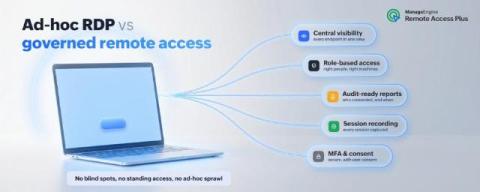
Access control defines who can access data and systems across an IT environment and under what conditions. Common models include DAC, MAC, RBAC, and ABAC, each supporting different governance and risk requirements. Strong access control depends on MFA, least-privilege enforcement, continuous audits, and clear visibility into sensitive data.

Identity & Access Management (IAM) Metrics Every CISO Must Track in 2026

Consider a common scenario: Your organization has allocated millions toward firewalls, endpoint protection, and advanced threat detection systems. Your security operations team maintains continuous monitoring through sophisticated dashboards. Yet, despite these comprehensive defenses, an attacker can gain unauthorized access using nothing more than compromised credentials and a hijacked service account. This is where identity and access management metrics play a key role.