Security | Threat Detection | Cyberattacks | DevSecOps | Compliance

Stop Chasing Payments: Why Freelancers Need Automated Invoicing

Freelancing offers freedom, flexibility, and full control over your time - but when it comes to getting paid, that independence can come at a cost. If you've ever found yourself chasing down late payments or wondering which invoices are still outstanding, you're not alone. For growing creative businesses and solo professionals alike, payment delays aren't just inconvenient - they affect cash flow, strain client relationships, and take time away from doing real, billable work.

It's Time! All PCI 4.0 Requirements Are Now in Effect

Since April 2025, version 4.0.1 of the PCI DSS standard has become the sole reference for all companies handling payment card data. Whether it involves processing, storing, or simply transmitting, the security of banking data has become a non-negotiable priority in a digital world that is more vulnerable than ever. The digital landscape of endless online payment transactions across various sectors.

Why Every Business Needs a Secure Payment Gateway to Prevent Cyber Threats

Lots of businesses nowadays conduct at least a portion of their sales online, with many operating entirely online. As such, businesses use payment gateways to authenticate the customer's payment details and facilitate online transactions.

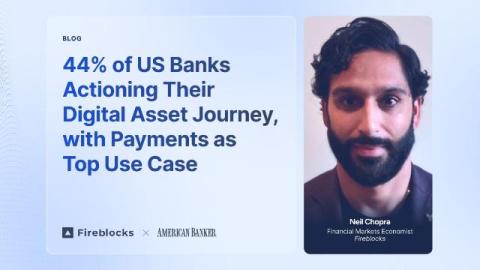
44% of US Banks Actioning Their Digital Asset Journey, with Payments as Top Use Case

Not surprisingly, with the new US administration bringing in new policies to support digital asset regulations, US banks have been asking Fireblocks what opportunities this creates for them. In a recent webinar with American Banker, we polled US banks to get insights into how they are incorporating digital assets into their strategies. Here’s what we found.

Cyberfraud on the rise: technology as a shield for businesses

In a world of constant threats, real-time detection and prevention make all the difference. Imagine starting your day with the news that millions of your bank’s customers have fallen victim to a cyberattack. This became a reality last year when cybercriminals claimed to have gained access to Santander Bank’s data, demanding millions of dollars in ransom. While the bank did not confirm the exact details, it admitted to a data breach.

Credit Card Cloning: What Is It , How It Works, and How to Protect Yourself

Discover a charge on your credit card that you don’t recognize. It could be from a card cloning event. Card cloning predominantly affects credit cards, but this phenomenon may also impact some payment platform cards (like those from PayPal or Zelle). In short, card cloning occurs when the card’s magnetic strip or chip is used in unauthorized transactions. Credit card cloning is a form of fraud, but it differs from others in its more nuanced elements.

What is Automated Clearing House (ACH) Fraud and How Does it Work?

Dashboard Http: Content.infopay.net Admin Idstrong Articles Create Create Article Title Slug Subdomain (Optional) Page Status Categories CreditData BreachesData PrivacyFeatured ArticlesIdentity TheftMultiple BreachesNewsPublic RecordsScamsSecurity TipsStatisticsVideos Tags Add a tag Published Date Author Editor Show author info box Show editor info box Content.

Everything You Need to Know About Card-Not-Present Fraud

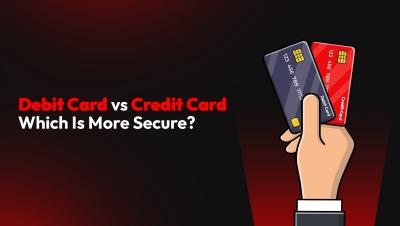
Credit and debit cards are vital for online purchases in today’s digital environments, but that doesn’t mean they’re safe from misuse. In 2024, an estimated $10.6 billion was lost due to card-not-present fraud, which accounts for some of the most prevalent scams globally. Card-not-present fraud, or ‘CNP’ fraud, negatively impacts consumers and businesses, causing financial losses and reputational damages.