In this article, we compare the various difficulties and costs associated with trying to build your own osquery solution vs buying 1Password’s osquery-based device trust product.
Introducing Landscape Mode, Passphrases and Other Improvements to KeeperFill Intro KeeperFill is Keeper’s powerful, autofilling feature that works across all devices, allowing you to automatically and securely fill your usernames, passwords, passkeys, 2FA codes and more into the sites you visit.
I am excited to announce the immediate availability of Mobile Checks and mobile end-user self-remediation for 1Password Extended Management Device Trust customers.
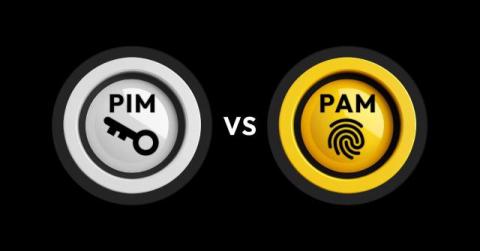
The main difference between Privileged Identity Management (PIM) and Privileged Access Management (PAM) is their varying focuses. PIM ensures that users have necessary access based on their identity, while PAM stops unauthorized users from accessing sensitive information. Continue reading to learn more about PIM and PAM, in addition to what distinguishes them from each other.
No, jailbreaking your iPhone is not safe and can result in your personal information being stolen, your phone becoming infected with malware and your software malfunctioning. When you jailbreak your iPhone, you increase the number of security vulnerabilities that cybercriminals can exploit to access your private information. Continue reading to learn what jailbreaking is and why you should never jailbreak your iPhone.
You can prevent Man-in-the-Middle (MITM) attacks in your organization by investing in a password manager, using a VPN, monitoring your network and training employees on security best practices. MITM attacks occur when a cybercriminal intercepts private data sent between two businesses or individuals to steal or alter the data with malicious intent.
You can spot fake ads on Facebook if you notice that the ads feature very inexpensive products, poor-quality images, spelling mistakes or a lack of clear branding. Fake Facebook ads aim to trick you into sharing your personal information or paying for items that don’t exist. Continue reading to learn some of the most common signs of fake Facebook ads, how to avoid falling for these fake ads and what to do if you have already been scammed by them.
It’s no secret that it’s hard to protect against what you can’t see. One of the biggest challenges facing security and IT experts is visibility into whether their team is following business security best practice – and this is especially true for small businesses.
Making a product and website accessible means making a site or app as usable as possible for everyone, regardless of their physical or cognitive disabilities.