Security | Threat Detection | Cyberattacks | DevSecOps | Compliance

9 Key Fators to Consider When Choosing a PAM Solution

Choosing a privileged access management (PAM) solution isn’t just a technical decision — it’s a strategic one. Selecting the right PAM platform is essential for securing your IT infrastructure, ensuring audit readiness, and minimizing business risks. But with so many tools claiming to offer comprehensive protection, how do you separate the truly effective ones from the rest? This article breaks down the nine most important factors to consider when choosing a PAM solution.

Understanding Multi-Factor Authentication

Looking back at the early 2024 data breach at Change Healthcare — a provider of revenue and payment cycle management that connects payers, providers, and patients within the U.S. healthcare system — one key detail stands out: Initial access into the healthcare system’s network was much easier due to a lack of multi-factor authentication (MFA).

The Secure Guide to Managing GitLab SSH Keys

SSH keys may be the riskiest credentials you’re not thinking about. In today’s DevOps pipelines, GitLab SSH keys silently facilitate critical operations—from pushing code to deploying infrastructure. Just because GitLab SSH keys are unassuming doesn’t mean you should ignore them. Unlike passwords, SSH keys don’t trigger alerts when reused, leaked, or silently exploited. Unfortunately, attackers know this, too. 88% of all web application attacks involved stolen credentials.

7 Key Features to Look For in a PAM Solution

With credentials now being one of the most exploited vectors in cyberattacks, we must go beyond basic access controls and ensure every privileged session is secure, auditable, and justified. That’s why choosing a robust privileged access management (PAM) solution is a must. This post will walk you through the seven best features in PAM solutions that can effectively protect your infrastructure.

Why Omdia recommends Extended Access Management to simplify compliance

Omdia, a global analyst and advisory leader, recently released a report called “How Extended Access Management (XAM) closes the gaps in security.” This report describes how existing approaches to access management have failed to address the security, budgetary, and compliance risks posed by unmanaged identities, applications, and devices.

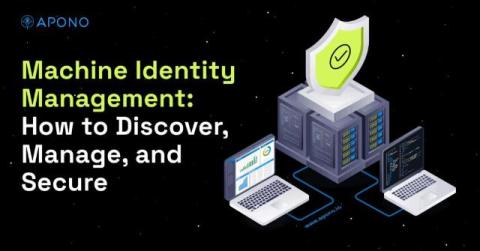
Machine Identity Management: How to Discover, Manage, and Secure

Machine identities have quietly become the backbone of digital infrastructure, outnumbering human users in most enterprise environments. While they don’t forget passwords or call tech support, they do introduce a unique set of security and operational risks. Unlike human users, machine identities (like service accounts, API keys, bots, and microservices) often operate with highly permissive access rights and weak or nonexistent authorization policies.

Omdia recommends Extended Access Management for shadow IT and AI

Omdia, a global analyst and advisory leader, recently released a report called “How Extended Access Management (XAM) closes the gaps in security.” The report argues that existing access management approaches have failed to adequately address the risks posed by unmanaged identities, applications, and devices.

One Identity named an identity fabrics leader by KuppingerCole

In today’s hybrid and multi-cloud environments, piecemeal identity tools can create a messy, difficult solution set. That’s why top analysts at KuppingerCole are identifying vendors that offer more than standalone solutions—they’re recognizing those that deliver a true identity fabric. We’re proud to share that in the 2025 KuppingerCole Leadership Compass for Identity Fabrics, One Identity has been named an Overall Leader in this evolving space.

2025 Trends in IoT Device Identity and Access Management (IAM)

As the number of IoT devices and connected devices continues to surge, IoT security has become a critical component of the modern IoT ecosystem. Ensuring the confidentiality, integrity, and availability of data across IoT networks is essential to protect against cyber threats and data breaches. With billions of devices now connected to the internet, the attack surface for malicious actors has expanded dramatically, making robust security measures more important than ever.