Security | Threat Detection | Cyberattacks | DevSecOps | Compliance

The Secrets of Test Coverage in Software Development

Test coverage is a fundamental aspect of creating reliable and high-performing software. When applied effectively, it provides a clear measurement of what parts of your codebase are being tested, identifying gaps that could allow subtle bugs to creep into production. Whether you're constructing a small application or managing a complex digital ecosystem, test coverage ensures that software performs as intended and gains users' trust.


World Backup Day: an IT practitioner's perspective on data loss prevention

In today's world, data is king, but it's also a source of risk. Companies face a constant barrage of threats that can lead to devastating data loss. These include everything from simple hardware and software failures to natural disasters and major cyber attacks. The consequences of data loss can be severe, impacting revenue, operations, reputation, and legal compliance, so planning for these worst-case scenarios is an important part of an IT team’s playbook.

Voice of security 2025 - Essential insights from 900 security leaders

What’s driving security team success? And what’s holding them back? Join our live webinar on March 26, with Tines Field CISO Matt Muller and AWS Principal Security Strategist Cheryl Cage, to dive into key findings from the IDC Voice of Security 2025 survey, sponsored by Tines in partnership with AWS.

Unlocking IT Efficiency with AutomateNOW

In an increasingly digital world, businesses are constantly seeking tools to streamline their operations. AutomateNOW (ANOW) provides a robust solution by automating complex IT workflows and streamlining everyday tasks. This platform plays a crucial role in modern IT infrastructure, enabling organizations to manage processes more effectively, cut down on manual errors, and increase operational efficiency.

Smarter collaboration begins with Tines Pages

When we first introduced Pages, it started with a few updates to our forms tool. We took a simple form and added more dynamic page elements and a formal page editor. That led to granular access, customization, and so much more to make it the powerful feature it is today. Now, teams can build polished and efficient apps for stronger collaboration and communication across the entire organization.

Voice of security 2025 - Essential insights from 900 security leaders

What’s driving security team success? And what’s holding them back? Join our webinar with Tines Field CISO Matt Muller and AWS Principal Security Strategist Cheryl Cage, to dive into key findings from the IDC Voice of Security 2025 survey, sponsored by Tines in partnership with AWS.

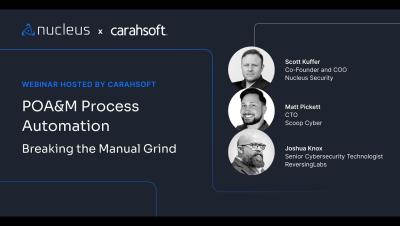
POAM Process Automation: Breaking the Manual Grind

Plans of Action and Milestones (POAM) play a critical role in public sector cybersecurity. In this webinar with government IT solutions provider Carahsoft, we break down the challenges security teams face when implementing POAMs, sharing real-life examples of where things go wrong and why. As part of the presentation, we also cover the intensive math of POAM programs: people, systems, and time.

How to Turn a SOAR Migration into SOC Transformation

SOAR is dead-dead (too inflexible, too complex, and too limited on integrations) — but it’s not quite buried in some SOCs where it’s only hanging on because migrating can feel daunting when mission-critical workflows are tied to the system. AI-driven Hyperautomation from Torq is the SOAR killer. Our team has helped major enterprises from every industry make the switch, quickly and easily, to achieve true SOC transformation. We chatted with Mark Carosella, Sr.

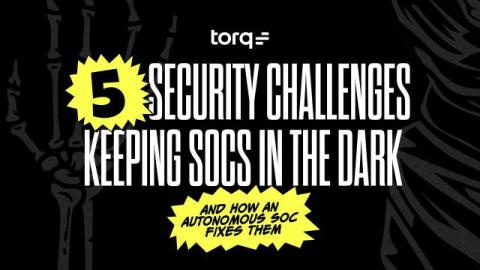
SANS Survey: 5 Security Challenges Keeping SOCs in the Dark

The 2024 SANS Detection and Response Survey sheds new light on some all-too-familiar security challenges: security operations teams are overwhelmed with alerts, struggling to respond fast enough, and tracking the wrong KPIs. Sure, automation adoption is increasing (64% of organizations now leverage it in some capacity), but most SecOps teams are still operating in slow, reactive, and heavily manual environments.