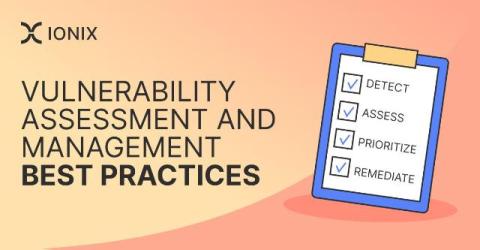
Vulnerability management is a major component of any cybersecurity strategy, simply because every vulnerability represents another potential vector through which an organization can be attacked.
Josh Neil explains how LLMs predict word combinations based on probability. Learn how these models generate language and why the prompt you give them significantly influences the output.
As businesses continue to evolve in their customer service strategies, Contact Center as a Service (CCaaS) solutions have emerged as an effective tool for enhancing customer experience. These cloud-based platforms offer flexibility, scalability, and access to advanced technologies, making them a popular choice for organizations of all sizes. However, transitioning to CCaaS requires careful planning to ensure a smooth implementation process.
The world can be just as much of a marvelous place, as it can be a dangerous one. And the same can be said about the online one, where you need to focus on your safety just as much but in a different way. For those wondering how to approach this, make sure to keep reading as we’ll be covering everything you need to know about cybersecurity.
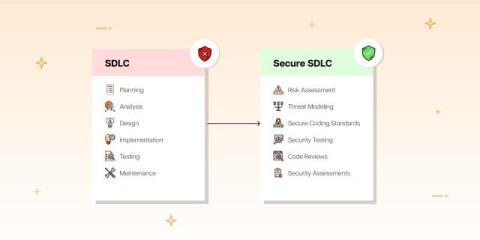
The Software Development Life Cycle (SDLC) provides a systematic framework for developing and maintaining software from conception to modification, producing high-quality software that meets stakeholder and customer requirements within specified time and cost constraints. However, traditional SDLC practices fall short of ensuring thorough application security. Why?
Artificial intelligence (AI) is revolutionizing most, if not all, industries worldwide. AI systems use complex algorithms and large datasets to analyze information, make predictions and adjust to new scenarios through machine learning – enabling them to improve over time without being explicitly programmed for every task.
Disruptive technologies have a learning curve in the pace of adoption and implementation. Training and education tend to follow a slower schedule and can have a hard time keeping up with discoveries happening on the bleeding edge. This is part of what led to the current cloud security skill gap. The cloud transformed software development, accelerating innovation and the pace of human creativity. But, we now know that it also formed new security challenges.
As organizations adopt a “digital-first” mentality, APIs have essentially become the backbone of modern applications, providing seamless integration between services, platforms, and third-party systems. For businesses, APIs help streamline processes and for consumers, APIs enable smooth and easily accessible digital services. However, an increased reliance on and growing number of APIs has also made them prime targets for cyberattacks.
Did you know that 70-83% of all internet traffic consists of API calls? In today's interconnected world, APIs are the invisible backbone driving your favorite apps, from maps to messaging platforms. This video breaks down the significance of API traffic and how it shapes the way we interact with technology daily. Discover why APIs are more critical than ever and how they power the digital experiences we rely on.