In part 1 of web security trends 2020, we discussed the rise of Crowdsourced Security and the ever-changing attack surface. This time we turned to 3 security leaders to get their perspective on trends to come in 2020.
In part one of this cyber resilience blog series, we discussed what it means to be a resilient organization. For part two, let’s discuss why organizations need to consider these challenges and who’s responsible for addressing them. Whilst asking why an organization may need to be resilient sounds a bit silly, I can say from experience that just because something seems obvious doesn’t mean it’s not quite a bit of work.
As hackers’ methods become more sophisticated, the scale of email security breaches and the frequency at which they occur grow greater with each passing year. In 2019 alone, an estimated 2 billion unique email addresses, accompanied by over 21 million unique passwords, were exposed within a single data breach.
I am not an engineer. I’m a director of human resources. I don’t work in a technical space, but the concept of open source is fascinating to me as it applies to organizational culture. A company like Gravitational that has intentionally chosen open source as a foundation for our work makes not only a technical decision, but a cultural one. We’re finding that employees and candidates care deeply and appreciate our choice. Open source is a big deal for us.
Implementing a risk based security program and appropriate controls against adaptive cyber threat actors can be a complex task for many organizations. With an understanding of the basic motivations that drive cyber-attacks organizations can better identify where their own assets may be at risk and thereby more efficiently and effectively address identified risks.
PCI DSS requirements must be followed by all e commerce web sites. In this article, we will take a closer look at this set of compliances and provide an extensive checklist.
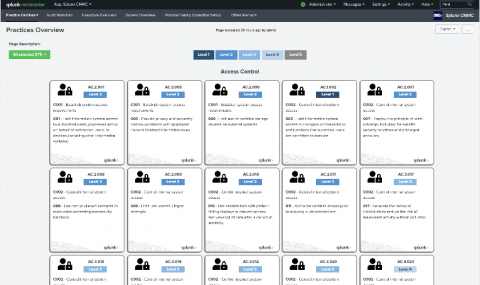
On January 31st, 2020, the Office of the Undersecretary of Defense for Acquisition and Sustainment (OUSD A&S) published V1.0 of the Cybersecurity Maturity Model Certification (CMMC). The CMMC builds on DFARS both in terms of required practices and by establishing “trust, but verify” relationships with DoD contractors.