Security Policy: What It Is, Types and Key Components

When you hear the phrase “security policy,” a number of things may come to mind — cyberattacks, malware, data breaches and the like. While these are some reasons an organization might create security policies, a security policy for an organization covers protection of not only its digital assets, but its physical assets as well.
Cybersecurity for Small and Medium-sized Enterprises (SMEs): A Comprehensive Guide

Cybersecurity is a critical concern for businesses of all sizes, but small and medium-sized enterprises (SMEs) often face unique challenges. With limited resources and expertise, SMEs can be particularly vulnerable to cyber threats. However, safeguarding digital assets and information is crucial for maintaining business integrity and customer trust. This comprehensive guide aims to provide SMEs with valuable insights into developing a cybersecurity strategy tailored to their specific needs.

Data Classification for Compliance with PCI DSS, NIST, HIPAA and More

Data classification is essential for achieving, maintaining and proving compliance with a wide range of regulations and standards. For example, PCI DSS, HIPAA, SOX and GDPR all have different purposes and requirements, but data classification is necessary for compliance with all of them — after all, you need to accurately identify and tag health records, cardholder information, financial documents and other regulated data in order to protect that data appropriately.

Weekly Cybersecurity Recap December 1

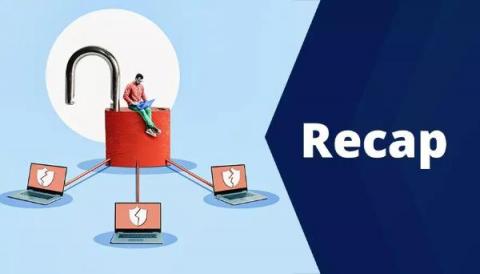
This week, cybercriminals targeted health lifestyle members, patients, gamblers, and general consumers. Early on, Welltok returned to the news, this time with over 426k member data stolen by assailants; the organizations impacted by the breach were Premier Health and Graphic Packaging International. In North Carolina, cybercriminals targeted a healthcare clinic. The assailants stole more than 60k patient records from Robeson Health Care.

SOC 2 Compliance Requirements - All You Need To Know

If you’re a SaaS vendor in healthcare, finance, or any industry, the value of solid foolproof security cannot be overstated. The data generated by your business is always a prime target for malicious entities. Add to this, the healthy growth of your business also depends on good security. The current digital landscape necessitates invaluable attention to security for any business with an online presence.

Family Dollar & Dollar Tree Bleed Consumer Data Following Cyberattack

In 2015, Family Dollar acquired its biggest competitor, Dollar Tree. Family Dollar is one-half of a consumer’s dream; they offer low-priced goods for families in 8,200 locations nationwide. The other half of the business offers even lower deals. Dollar Tree provides options for $1 purchases at 15,000 locations throughout the states. Now, branches are sporting both company’s colors, wares, and deals.

Parsing Domains with URL Toolbox (Just Like House Slytherin)

When hunting, advanced security Splunkers use apps. Specifically, three related apps from an incredibly generous man named Cedric Le Roux! (You can guess from the name that yes, he's French.) And frankly, you probably only know one: URL Toolbox. One of the most popular Splunk security apps of all time, URL Toolbox’s URL parsing capabilities have been leveraged by thousands who want to separate subdomain, domain, and top level domain (TLD) from a URL.

Vishing Gang Takes Victims for "Tens of Millions" Using Little More than Social Engineering

Czech and Ukrainian police have arrested six individuals responsible for a call center-based vishing scam designed to trick victims into thinking they were already victims of fraud. Imagine getting a call on your mobile phone from your bank. The caller ID shows the number you have saved in your contacts, so it must be your bank, right? The person on the other end tells you your account has been compromised and the remaining funds must be moved to a safe account. Sounds legit?