Enterprise AI Security Use Cases: What Security Teams Are Solving For

Enterprise AI adoption is no longer a future problem. The average organization uses 54 generative AI (genAI) applications, and endpoint AI agent adoption is accelerating, with Cyberhaven research tracking 276% growth in 2025. Security programs have struggled to keep pace with either trend. The AI security gap is technical, not philosophical. Most organizations have AI acceptable use policies.

Ep. 53 - The Dragon's Shadow: China's Silent Cyber War Has Already Begun

What if the next cyberattack doesn’t steal your data…but quietly prepares to break your infrastructure? In this premiere episode of our series on Chinese threat actors, we uncover how China transformed from noisy, smash-and-grab hackers into the world’s most sophisticated cyber power—one focused not just on espionage, but on pre-positioning inside critical infrastructure. Through a chilling real-world scenario, we explore a new kind of threat: digital landmines—subtle, invisible changes inside power grids, telecommunications networks, and industrial systems that can be triggered at any time.

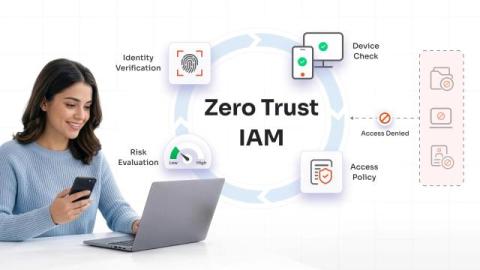
Zero Trust IAM: Why Modern IAM is the Foundation of the Zero Trust Framework

For years, cybersecurity relied on a secure network perimeter, where users were trusted once inside. This approach was effective when everything was contained in a controlled environment, but it no longer works today. Modern organizations operate across cloud platforms, SaaS, mobile devices, and distributed teams. Employees and partners connect from various locations while APIs exchange data. As a result, the traditional network boundary no longer exists.

The 29-minute Breakout: Why monthly vulnerability scanning no longer works

TLDR: We attended Cyber Security 2026: Kritisk infrastruktur in Stockholm, and the reality check was simple: “breakout time” has hit a record low of 29 minutes. If you’re still scanning monthly, you’re defending a version of your infrastructure that doesn’t exist anymore. The time it takes for an attacker to move after a breach has dropped to just 29 minutes. In 2021, we talked about a “breakout time” of 100 minutes. Today?

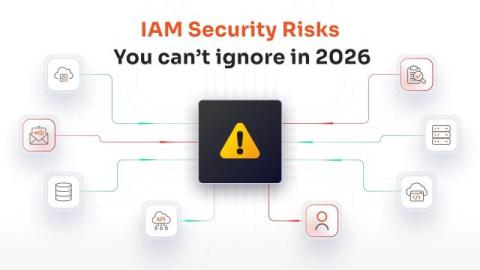
IAM Security Risks You Can't Ignore in 2026

If you’re using an Identity and Access Management (IAM) solution for safeguarding employee and customer accounts, then you must know about the IAM security risks. This is to account for the possible gaps and work on them. Identity security risks are no longer limited to not meeting checklists, but have shifted to a dynamic approach. A continuous, real-time, and risk-based approach is the new norm.

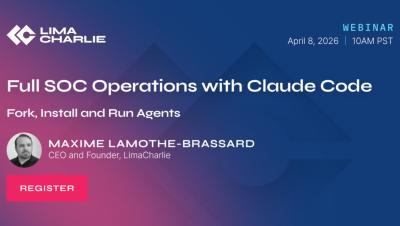
Full SOC Operations with Claude Code: Fork, Install and Run Agents

After RSAC, one thing was clear: security teams don't want a black box AI SOC product and they want to go beyond triage and co-pilots. They want infrastructure they can control, extend, and own. LimaCharlie runs composable AI agents built on real SecOps infrastructure, in production. Our open-source AI triage agents are designed as self-contained, installable units, each with defined scope, permissions, and behavior. Join Maxime Lamothe-Brassard, CEO and Founder, as he walks through the architecture and runs live demonstrations inside the Agentic SecOps Workspace.

What is IEEE 2089? Understanding the international age assurance standard

New age mandates continue to emerge across the world. For product managers, compliance officers, and legal professionals responsible for implementing age assurance, understanding internationally recognized frameworks is essential. ISO 27566 and IEEE 2089 are the two leading internationally recognized standards for age assurance referenced by regulatory bodies creating guidelines for recent age mandates. While both standards address age assurance, they serve complementary purposes.

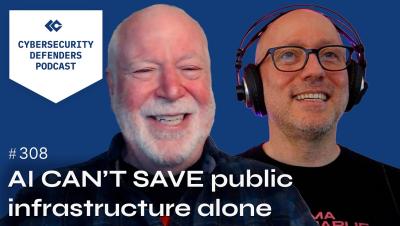
Public infrastructure protection depends on analysts with Mike Hamilton, PISCES International [308]

Michael Hamilton, Chief Technology Officer at PISCES International, joins us to discuss the benefits of providing real world experience to students while they protect existing public infrastructure. The resilient future of local government security rests in our ability to adapt to changing threats and adopt new technologies, including AI.