7 Steps for Developing a Data Breach Response Plan

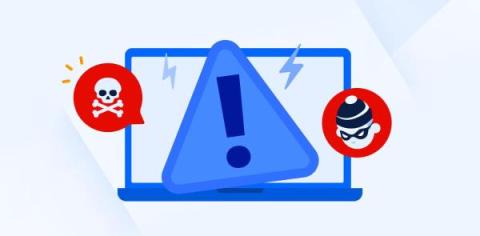
Data breaches are a constant threat these days. One click on a malicious link could send tons of customer information flying out the window. Even with all the strategies and tools to prevent them, unauthorized people keep gaining access to sensitive data. So, maybe it’s not a matter of whether your company will ever experience a data breach but about when. The million-dollar question is: will you be ready to respond effectively against hackers when the time comes?

Verizon: Nearly 80% of Data Breaches Involve Phishing and the Misuse of Credentials

Innovative analysis of data breaches shows which attack vectors are being used and how they’re enabled, highlighting the roles phishing and credentials play. In light of the recent release of the Verizon Data Breach Investigations Report this week, we have delved into the findings to continue our coverage of important cybersecurity issues, specifically data breaches and phishing.

Integrating Snyk Code SAST results in your ServiceNow workflows

Application security teams often lack the crucial information and visibility needed to find, prioritize, and remediate risks in their most business-critical applications. To solve this application security challenge, ServiceNow and Snyk have partnered to provide a singular view of the risk within these applications — exposing the severity and criticality of vulnerabilities while providing actionable workflows to boost your overall security posture.

The OSFI's Intelligence-Led Cyber Resilience Testing (I-CRT) Framework - What You Need to Know

In April 2023, the Office of the Superintendent of Financial Institutions (OSFI), Canada’s agency responsible for regulating financial institutions, released their Intelligence-led Cyber Resilience Testing Framework (I-CRT)1. Canada’s I-CRT framework is based on similar intelligence-led frameworks which have been used in other countries, such as the Bank of England’s CBEST framework2 and the European Union’s TIBER-EU3.

What Is Security Automation?

Digital transformation initiatives like moving servers to the cloud, extending work-from-home privileges, and deploying more IoT devices have expanded attack surfaces, making it easier than ever for threats to slip through. At the same time, the number of cyber threats is growing fast. According to Security Magazine, a cyberattack now happens at least every 39 seconds.

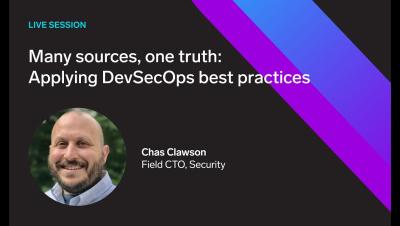
Many sources, one truth: Applying DevSecOps best practices

It’s no secret threat actors, and cloud attacks have evolved, yet traditional security responses have languished, much to the detriment of many organizations. In this session, Cas Clawson, Field CTO for Security at Sumo Logic, will explore cloud threat detection challenges and how to do it better using a real-world incident response example, leveraging a single source of truth, breaking down team silos, and utilizing the best practices with DevSecOps.

What is the MITRE ATT&CK

The MITRE ATT&CK framework provides the cybersecurity community with information on more than 100 threat actor groups and the platforms they target. The data within the framework comes from publicly available cyber threat intelligence and reports and security teams and threat researchers. ATT&CK is available for free to anyone who wants to use it.

Lock pages in memory - and throw away the key

This Windows policy specifies which accounts can keep data in physical memory, preventing the system from paging it to virtual memory on disk. RAM (Random Access Memory) and virtual storage serve as two types of memory in a computer system, each with distinct functions and characteristics. RAM, the physical memory installed in a computer, provides fast access to actively used data by the CPU, determining the system’s multitasking capabilities.