Security | Threat Detection | Cyberattacks | DevSecOps | Compliance

Vulnerability Remediation: From Scan Results to Real Fixes

Vulnerability scanning is useless if you don’t fix what you find. This short breaks down a practical vulnerability remediation process to prioritize risk, patch faster, and reduce real-world exposure. Learn how security teams move from detection to closure, without months of backlog.

How AI is Reshaping Cyber Threats

In Episode of Guardians of the Enterprise, Ashish Tandon, Founder & CEO, Indusface, spoke with Madhur Joshi, CISO at HDB Financial Services (part of the HDFC Group), about how AI is reshaping the cyber threat landscape. They discussed how attackers are now leveraging AI to launch more sophisticated phishing campaigns, automate malware, and scale attacks faster than ever before. As AI lowers the barrier to entry, the speed and complexity of attacks continue to increase, making it harder for organizations to keep up.

The New CISO Podcast Ep. 141 - Dean Sapp | Six Steps for Better Communication as a CISO

In this episode of The New CISO, host Steve Moore speaks with Dean Sapp, CISO and Data Protection Officer at Filevine, about one of security's most critical yet overlooked skills—written communication. Drawing from a brutal college English class that failed students for a single typo and over 20 years building security programs in the legal tech industry, Dean reveals why the ability to articulate security findings clearly separates average professionals from exceptional leaders who drive real business impact.

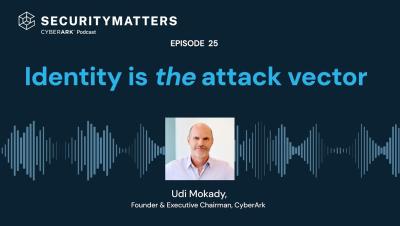
EP25 - Identity is the attack vector w/ Udi Mokady

CyberArk founder and executive chairman Udi Mokady returns to Security Matters at a transformational moment—now as part of Palo Alto Networks, following the acquisition’s close on February 11. In this far‑reaching conversation, Udi and host David Puner explore why identity has become the attack vector for modern enterprises, driven by an unprecedented surge in human, machine and AI‑powered identities that attackers increasingly exploit.

What 'Hacker' REALLY Means

The episode breaks down what hacking means in security, from finding flaws and bypassing controls to the point where it turns into crime. The word hacker is often treated as a label for villains, yet many security researchers still use it with pride, so intent and context decide when it becomes malicious. ⸻ For more information about us or if you have any questions you would like us to discuss email podcast@razorthorn.com. We give our clients a personalised, integrated approach to information security, driven by our belief in quality and discretion..

How to Set up the OTP Verification Plugin with WooCommerce Checkout Form?

The miniOrange OTP Verification Plugin validates customers' email addresses or mobile numbers by sending a One-Time Password (OTP) during the checkout process. By confirming the authenticity of the provided contact details, this plugin helps prevent fake orders, reduces fraud, and ensures secure transactions. In this video, we walk you through the complete step-by-step setup of the miniOrange OTP Verification plugin with the WooCommerce Checkout form. Follow along to enable OTP verification and enhance your store’s security.

Who Controls LLMs? Digital Sovereignty, Policy, and AI Security Risks | India AI Impact Summit 2026

AI agents are quickly becoming first-class actors in the digital ecosystem—logging into systems, invoking multiple APIs, collaborating, and even interacting socially with other agents. In a panel discussion on “Enhancing Cyber Resilience Across the Digital Ecosystem”, the miniOrange Founder & CEO Mr. Anirban Mukherji highlighted why digital identity is now the foundation for securing agent-driven environments, especially as authentication and authorization protocols expand globally across platforms and enterprises.

Intelligence Agencies: Proxy Action & 'Plozny Jurak'

In today’s cyber landscape, intelligence services often rely on proxy networks to expand their reach. Through ransomware affiliates, access brokers, and loosely connected cybercriminal ecosystems — sometimes referred to conceptually as “Plozny Jurak” — states can benefit from disruptive or espionage activity without direct attribution. To dive deeper, watch the full podcast, Blueprint Thieves: Inside Iran’s Industrial Espionage Machine, at the links below.