Security | Threat Detection | Cyberattacks | DevSecOps | Compliance

How To Install ggshield on Mac, Windows, and Linux

Install ggshield the right way for your OS and get scanning in minutes. In this video, we walk through the most common installation paths for macOS, Linux, and Windows, plus container options if that’s your workflow: macOS: install with Homebrew, or grab the standalone.pkg from the ggshield releases page (no Python required, but you’ll update manually). Linux: install via Deb/RPM packages available on Cloudsmith. Windows: install via Chocolatey, or download the standalone.zip from the releases page (no Python required, but you’ll update manually).


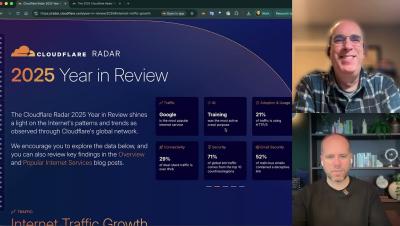
AI, DDoS, and the Internet in 2025 | Cloudflare Radar Year in Review

In this special Year in Review episode of This Week in NET, host João Tomé is joined by David Belson to break down the Cloudflare Radar 2025 Year in Review. Together, they explore what Cloudflare’s global network reveals about how the Internet evolved over the past year — from the rapid rise of AI crawlers and agent traffic, to record-breaking DDoS attacks, the spread of post-quantum encryption, and the growing impact of government-directed shutdowns and outages.

Continuous Vendor Risk Monitoring: Real-Time Cyber Risk Visibility with Bitsight

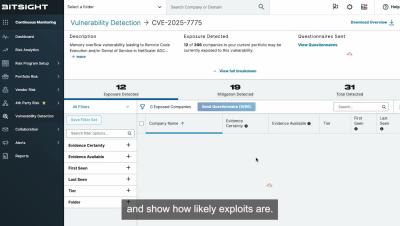
Gain real-time visibility into cyber risks across your entire vendor ecosystem with Bitsight Continuous Monitoring. Continuously track third- and fourth-party security performance, uncover hidden vulnerabilities, and identify high-risk changes before they impact your business. Powered by the industry’s most comprehensive cyber risk data, Bitsight helps security and GRC teams respond faster to critical threats—including zero-day vulnerabilities—while improving vendor collaboration and strengthening overall supply chain resilience.

Is This Endgame? How Takedowns Are Reshaping eCrime

In November 2025, a major public-private sector collaboration took down three significant malware networks. Operation Endgame involved law enforcement agencies from six EU countries, Australia, Canada, the U.K., and the U.S., along with Europol and 30 private sector partners, including CrowdStrike. The dismantled infrastructure consisted of hundreds of thousands of infected computers containing several million stolen credentials.