Parcel Lockers is a modern delivery solution, especially for e-commerce. In addition to the mass of main advantages, it is also worth noting their compactness.
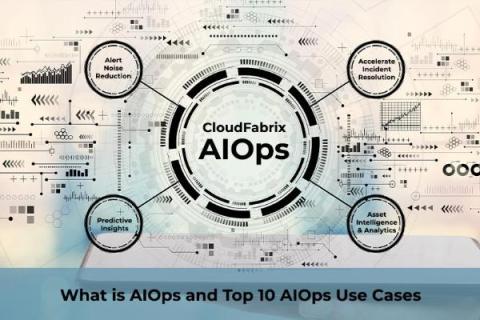
Artificial Intelligence for IT Operations (AIOps) is an advanced analytics and operations management solution that is designed to help organizations address the challenges of monitoring and managing IT operations in the era of digital transformation. AIOps leverages the power of Artificial Intelligence and Machine Learning Technologies to enable continuous insights across IT operations monitoring.
Forward introduces AI Assist to help engineers gain greater insights and reach faster resolutions to their most challenging network issues using natural language.
In October 2023, Okta, a leading provider of identity and access management (IAM) solutions, experienced a data breach affecting its customer support system. This incident raised serious concerns about the security of sensitive information entrusted to Okta by its customers and partners.
Top tips is a weekly column where we highlight what’s trending in the tech world today and list ways to explore these trends. This week, we’re looking at some of the cybersecurity strategies for supply chains. Cyberattacks have been increasing, and supply chains have taken a hit. In 2022, the United States witnessed a surge in supply chain cyberattacks, which affected 1,743 entities—the highest reported figure since 2017.
In an era where digital threats are escalating, small businesses must prioritize cybersecurity. This article delves into essential security practices, focusing on secure passwords, software updates, and the strategic use of paystub generators, supplemented by real-world examples of breaches and their implications.
Data protection principles are the same whether your data sits in a traditional on-premises data center or a cloud environment. However, the way you apply those principles is quite different when it comes to cloud security vs. traditional security. Moving data to the cloud – whether it's a public cloud like AWS, a private cloud or hybrid cloud — introduces new attack surfaces, threats and challenges, so you need to approach security in a new way.
The cybersecurity industry has a major people problem: it doesn’t have enough of them. The global shortage of more than 4 million cybersecurity workers isn’t a new phenomenon, but as digital and cloud initiatives accelerate, the effects are even more profound. This is especially true in the identity security domain.
The cyber security landscape presents new challenges and threats, with the projected number of global IoT-connected devices expected to exceed 75 billion by 2025. By the end of next year, cyber-attacks are expected to cost the global economy over $10.5 trillion, highlighting the urgent need for security operations advancements. This blog will explore 13 cybersecurity trends in the evolving cybersecurity landscape for the new year.
In the ever-evolving cybersecurity landscape, 2023 witnessed a dramatic surge in the sophistication of cyber threats and malware. AT&T Cybersecurity Alien Labs reviewed the big events of 2023 and how malware morphed this year to try new ways to breach and wreak havoc. This year's events kept cybersecurity experts on their toes, from expanding malware variants to introducing new threat actors and attack techniques.