Security | Threat Detection | Cyberattacks | DevSecOps | Compliance

Vendor Responsiveness Solved: Soothing Your Third-Party Aches

Inefficiencies, like slow vendor responses, often plague security teams like a persistent headache. At first, it’s just a dull throb in the background. Yes, it’s annoying, but analysts often accept it as the way things are, pushing through the pain and getting the job done. However, over time, this headache intensifies.

Understanding your WAF: How to address common gaps in web application security

Web application firewalls (WAFs) are one of the most commonly used tools that organizations deploy to protect their applications at runtime. By monitoring HTTP traffic and filtering out suspicious requests, WAFs act as a protective layer around an application that protects it from certain types of incoming threats. However, WAFs often fall short of expectations.

AI Literacy: A New Mandate Under the EU AI Act - What Your Organization Needs to Know

The European Union's AI Act is ushering in a new era of workplace requirements, with AI literacy taking center stage. Under Article 4, organizations must now ensure their workforce is sufficiently AI-literate - but what does this really mean for your organization? The AI Act requires organizations to provide adequate AI training to staff and operators. This training must account for technical knowledge, experience, educational background, and the context in which AI systems are used.

Data at Risk: 96% of Ransomware Attacks Involve Data Theft

A new report from Arctic Wolf has found that 96% of ransomware attacks now involve data theft as criminals seek to force victims to pay up. “As potential victims implemented more reliable backup and restoration processes, ransomware operators introduced data exfiltration as a means to apply additional pressure and protect their revenue streams,” Arctic Wolf says.

Learn about API security risks with the new Snyk Learn Learning Path

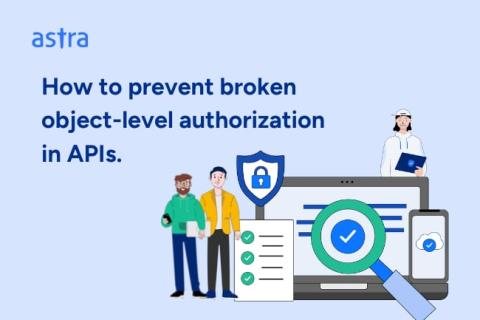
Snyk Learn, our developer security education platform, now includes lessons on API security! Check out the new learning path that covers the OWASP Top 10 for API security risks. APIs power the modern web, connecting applications and services in ways that drive innovation and efficiency. However, with this interconnectivity comes significant security risks.

Workforce Passwordless Authentication: Beyond the Hype and Here to Stay

Let’s face it—passwords are a pain, especially for employees and contractors who deal with them daily. We all know that our so-called “secure” passwords often end up being something like “Password123,” “qwerty” or another easily forgotten combination—and those same passwords are frequently used between personal and corporate accounts. And even when we try to be smart about it, they are still the easiest way for hackers to get in.

What are static subnets? How do they help streamlining connections for devices?

Static subnets are the fixed range of IP addresses in the network that are assigned to select individual devices manually. Static subnets differ from dynamic subnets in one way: the IP address of static subnets is permanently assigned to devices, compared to dynamic subnets where the IP allocation varies from time to time and device to device.

From Risk to ROI: Making Security Insights Matter to Business Leaders

In today’s technology landscape, security leaders often find themselves under immense pressure: their resource-constrained teams are expected to mitigate growing risks, navigate complex infrastructures, and implement best practices, all while justifying their value to executive leadership.

Unmasking the Hidden Threat: How Unsecured IoT Devices Fueled the Eleven11bot Botnet-and How to Stop the Next Attack

The recent emergence of the Eleven11bot botnet which has compromised over 86,000 Internet of Things (IoT) devices, underscores the critical vulnerabilities inherent in unmanaged IoT ecosystems. This botnet, reported by The Shadowserver Foundation, primarily targets devices such as security cameras and network video recorders, leveraging them to execute large-scale DDoS attacks against sectors including telecommunications and online gaming platforms.

The Top 7 Cybersecurity Frameworks

In today’s ever evolving threat landscape, protecting an organization's digital assets is no longer optional—it's a critical business imperative. Security ratings can provide a snapshot of your organization's cyber health, but to demonstrate a robust, long-term commitment to cybersecurity, it’s essential to align with recognized industry and regulatory best practices. This is where cybersecurity frameworks come into play.