Security | Threat Detection | Cyberattacks | DevSecOps | Compliance

Xfinity Writhes; 36 Million Records Breached via Vendor Vulnerability

Xfinity is the name of Comcast Communications’ internet, TV, and phone service; it is the most significant cabled internet service in the states, with more than 32 million residential customers. Available in 39 contiguous states and the capital, the service provides communication solutions for individuals, companies, institutions, and clinical networks. Xfinity’s vast influence has made them a target for cybercriminals.


What Is a Credit Card Skimmer and How Can I Spot One?

A credit card skimmer is a device that is attached to an actual card reader by a threat actor. Skimmers are commonly used by cybercriminals at non-bank ATMs and at gas station fuel pumps. Most skimmers installed at fuel pumps are placed outside of the view of the station administrator. Threat actors use skimmers to scan the information on a victim’s debit or credit card so they can commit credit card fraud or create counterfeit cards to sell on the dark web.

SIEM, Simplified

Do you need better insight into the overall state of your network security? Take a step back and look through the larger lens of the SIEM solution. Security information and event management (SIEM) is an approach to security management that combines two aspects: Coined in 2005 by Amrit Williams and Mark Nicolett of Gartner, the term SIEM now serves as a synonym for the gathering, analyzing, and presenting network and security information as well as external threat data and vulnerability management.

Top tips: Wishing you a vishing-free holiday season with 3 ways to avoid vishing attacks

Top tips is a weekly column where we highlight what’s trending in the tech world and list ways to explore these trends. This week we’re looking at three ways you can avoid falling victim to a vishing attack. Huge discounts, massive promotional campaigns, and a cheerful festive spirit—the holiday season is officially in full swing! ‘Tis the season of joy and giving, but it looks like some people may have missed the memo.

Sponsored Post

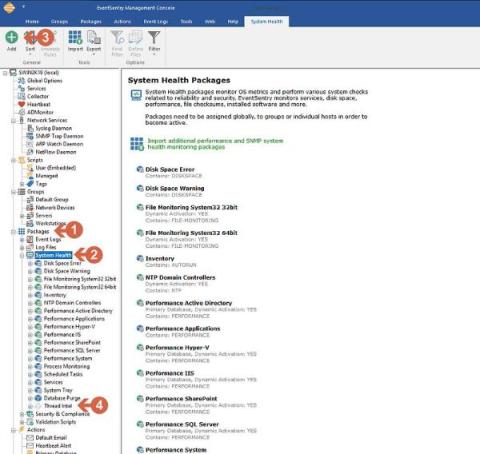
Predict the Future! A universal approach to detecting malicious PowerShell activity

So, here’s the deal with AntiVirus software these days: It’s mostly playing catch-up with super-fast athletes — the malware guys. Traditional AV software is like old-school detectives who need a picture (or, in this case, a ‘signature’) of the bad guys to know who they’re chasing. The trouble is, these malware creators are quite sneaky — constantly changing their look and creating new disguises faster than AntiVirus can keep up with their photos.

Cracking the Code: How to Identify Devices via MAC Addresses Online

Did you know that each device on a network has a unique MAC address? This ID allows us to identify devices quickly in the digital world. MAC addresses help us keep networks safe, manage devices efficiently and address issues as quickly as possible.

Surfing the Tidal Waves of HR-Themed Spam Emails

Threat actors constantly improve their tactics and are always on the hunt for technical or social vulnerabilities they can exploit. The pandemic-induced Great Resignation, massive layoffs, continuous company restructuring, and upcoming holidays make this a very busy time of changes in the labor force. Due to this upheaval, employees are always on the lookout for any updates from their Human Resources (HR) department, as HR often sends updates or notifications via company-wide email.

Data breaches: In-depth analysis, recovery strategies, and best practices

In the dynamic landscape of cybersecurity, organizations face the ever-present risk of data breaches. This article provides a detailed exploration of data breaches, delving into their nuances, and offers comprehensive recovery strategies along with best practices. A data breach occurs when unauthorized threat actors gain access to sensitive information, jeopardizing data integrity and confidentiality.

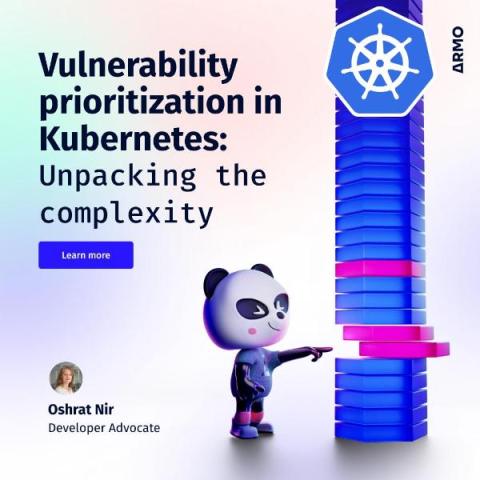
Vulnerability prioritization in Kubernetes: unpacking the complexity

In the rapidly evolving world of container orchestration, developers have come to rely on Kubernetes to manage containerized applications. However, as Kubernetes adoption increases among organizations, ensuring the security of Kubernetes environments becomes essential. One particularly significant aspect to consider is vulnerability prioritization. It’s essential to understand that chasing after the highest CVSS scoring vulnerabilities might not always align with real-world threats.