AT&T Cybersecurity featured a dynamic cyber mashup panel with Akamai, Palo Alto Networks, SentinelOne, and the Cloud Security Alliance. We discussed some provocative topics around Artificial Intelligence (AI) and Machine Learning (ML) including responsible AI and securing AI. There were some good examples of best practices shared in an emerging AI world like implementing Zero Trust architecture and anonymization of sensitive data. Many thanks to our panelists for sharing their insights.
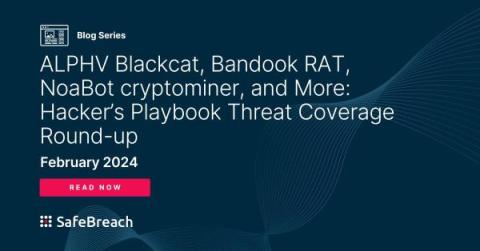
In this version of the Hacker’s Playbook Threat Coverage round-up, we are highlighting attack coverage for newly discovered or analyzed threats, including those based on original research conducted by SafeBreach Labs. SafeBreach customers can select and run these attacks and more from the SafeBreach Hacker’s Playbook™ to ensure coverage against these advanced threats.
When you work in IT, you have a lot to manage. And while everything can feel critical – keeping the computers on might not mean much if your small business experiences a data breach.
The financial services sector faces unprecedented cybersecurity challenges in today's digital age. With the industry being a prime target for cybercriminals, understanding and adhering to cybersecurity regulations has never been more crucial. This article delves into the labyrinth of cybersecurity regulations affecting financial services, underscoring their significance in safeguarding sensitive data and maintaining robust cyber defenses.
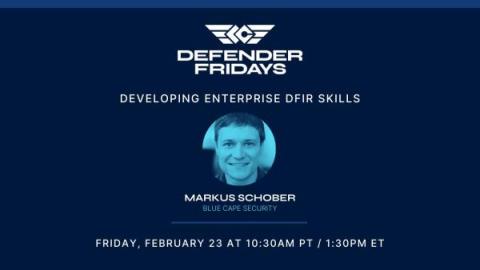
In a recent ‘Defender Fridays’ session, we spoke with Marcus Schober of Blue Cape Security, a leading expert in Digital Forensic and Incident Response (DFIR) to explore the advancing frontiers of enterprise security. The webinar underscored the indispensable role of continuous learning, practical training, and cross-disciplinary collaboration in mastering the complexities of today’s cybersecurity challenges.
A popular topic of conversation in my day-to-day work is how to secure privileged access to cloud management consoles and workloads. And that’s no surprise, considering more and more applications and workloads are migrating to the cloud. Up until recently, the answer has typically been clear when it comes to identity security and privileged access management (PAM). It’s simple: first, you manage credentials by securing them in a vault. The next step is to rotate them.
A secret refers to the non-human privileged credentials used by systems and applications to access services and IT resources containing highly sensitive information and privileged systems. Secrets allow applications to transmit data and request services from each other. Examples of secrets include access tokens, SSH keys, non-human privileged account credentials, cryptographic keys and API keys.