Security | Threat Detection | Cyberattacks | DevSecOps | Compliance

Securing Homegrown Agents in Runtime: The Value of Zenity + Microsoft Foundry

How the integration works: Zenity integrates with the Foundry control plane to inspect agent behavior and enforce security policies inline at runtime. Over the past year, Microsoft Foundry has emerged as a cornerstone for enterprises building and deploying homegrown agents at scale. Organizations across industries are using Foundry to move beyond experimentation and into production, creating AI agents that can reason, invoke tools, access enterprise data, and automate complex workflows.

BYOD Security Risks: How to Protect Your Business

It’s tempting for organizations to let employees use their devices for work. It saves money, is convenient for users, and allows corporate network access from remote locations. However, “bring your own device” (BYOD) arrangements can lead to serious security risks compared to issuing company-owned devices. In this post, we’ll assess the main BYOD security risks and explain how you can prevent them.

Why Marketing Teams Are Rethinking the Way Customer Personas Are Built

How well do marketing teams really understand their customers today? For years, businesses have relied on buyer personas (detailed profiles representing their ideal customers) to guide messaging, campaigns, and product positioning. And the concept has clearly gained traction: studies show that 44% of marketers already use buyer personas, while another 29% plan to adopt them soon.

Why Some UX Design Work Just Feels Right

Spend enough time around digital products and a pattern starts to emerge. Some interfaces feel easy almost immediately. You move through them without thinking much about where to click or what a button means. Other products do the opposite. They slow people down in quiet, frustrating ways. The difference rarely comes down to colors or fonts. More often it's the logic underneath the interface. The structure of decisions. The way the product anticipates what someone might want to do next.

Cyber Warfare Comes to West Michigan: What the Stryker Cyberattack Means for Manufacturing

In March 2026, one of West Michigan's most recognizable manufacturers found itself at the center of a major cybersecurity incident. Medical technology company Stryker, headquartered near Grand Rapids, experienced a widespread cyberattack that reportedly disrupted systems across its global network.

How Online Trust and Security Influence Travel Booking Decisions

When travellers plan a trip today, most decisions are made online. From booking accommodation to arranging transport and activities, customers rely heavily on digital research before committing to a purchase. This shift has made trust and security central to the travel booking process. Travellers are not only comparing prices and convenience, but also assessing whether a service provider is reliable, transparent, and safe to engage with.

Agent Skills are the New Packages of AI: It's Time to Manage Them Securely

Let’s talk about agent skills. As the AI agent ecosystem matures, we’re seeing a major shift in how users equip agents to run automated workflows. While robust protocols such as MCP exist to handle complex system integrations and authentication, skills have emerged as the go-to, low-friction way to shape an agent’s day-to-day behavior. Skills are extremely easy to adopt. In many cases, they are simply lightweight files that orchestrate scripts and commands.

Tokenization vs. encryption: Choosing the right data protection approach

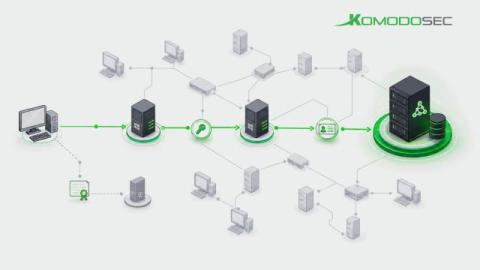
Tokenization and encryption both protect sensitive data, but they work differently and reduce different risks. Tokenization removes sensitive values from operational systems and can shrink compliance scope; encryption keeps data present but unreadable without keys. Choosing the right approach depends on data type, access patterns, and regulatory requirements like PCI DSS and HIPAA. Encryption and tokenization both protect sensitive data, support compliance, and appear in every major security framework.

How Can Organizations Improve Threat Detection and Response in Hybrid Cloud Environments?

Hybrid cloud environments rarely start as a carefully planned architecture. Most organizations reach that point gradually. A few workloads move to the cloud first. Then development teams adopt additional cloud services. Meanwhile, critical systems continue running on-premise because they cannot easily migrate. Over time, the result is an enterprise hybrid cloud environment that spans multiple infrastructure layers. From a business perspective, this flexibility is useful.