Security | Threat Detection | Cyberattacks | DevSecOps | Compliance

The V-model and its role in testing embedded software

Embedded software development presents unique challenges due to its close integration with hardware, strict real-time requirements, and the need for high reliability and safety. The V-Model, also known as the Verification and Validation model, offers a structured approach that effectively addresses these challenges. This blog post delves into the V-Model's intricacies and elucidates how it enhances the testing of embedded software.

Evolution of Scalper Bots Part 1: Origins of Scalping

In the evolving landscape of online ticketing and eCommerce, few technological developments have been as controversial as scalper bots. These automated programs, designed to purchase high-demand items faster and more efficiently than humans could, have transformed the way we buy and sell coveted goods online. During this forthcoming blog series, we are going to explore the fascinating evolution of scalper bots. We will trace their origins, developments, and impacts across several distinct eras.

AI in the enterprise: 3 ways to mitigate AI's security and privacy risks

Artificial Intelligence (AI) has the potential to revolutionize how businesses operate. But with this exciting advancement come new challenges that cannot be ignored. For proactive security and IT leaders, prioritizing security and privacy in AI can’t simply be a box-checking exercise; it's the key to unlocking the full potential of this wave of innovation.

Streamline Vendor Risk Management with the New Riscosity and ServiceNow Integration

Today, we’re excited to announce the launch of our integration with the ServiceNow Vendor Response Management (VRM) offering. Riscosity’s integration with ServiceNow empowers security teams with the insights and tools needed to achieve their security goals while still using their existing workflows in ServiceNow VRM.

How a Network Digital Twin Prevents Change-Related Outages

In today's rapidly evolving IT landscape, effective change management is crucial for maintaining network stability and performance, but many organizations lack a consistent change process. Lack of process often leads to unintended consequences, such as outages and performance degradation. A network digital twin offers a transformative solution to these challenges by streamlining change management processes and providing pre- and post-change verification to enhance operational efficiency.

IAM funding challenges? Think like a business leader

A couple of weeks ago, we started talking about cybersecurity spending and how we, as security professionals, need to rethink prioritizing those budgets to match the cyber threat landscape. One key takeaway: identity and access management (IAM) is chronically underfunded compared to other, more glamorous security initiatives.

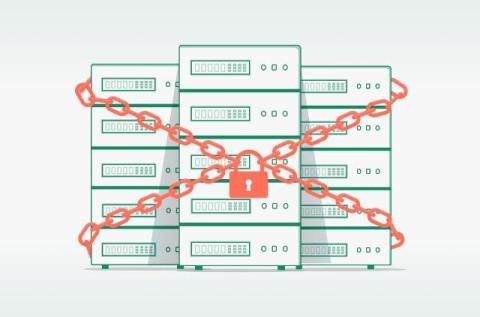
SEC Report Provides Insight into Key Tronic Ransomware Costs Totaling Over $17 Million

The financial repercussions of the May 2024 ransomware attack on the electronics manufacturing services firm Key Tronic underscores just how costly these attacks are. Key Tronic makes parts for a number of sectors, including computer, telecom, medical, industrial, automotive and aerospace. They were struck in May with a ransomware attack by Black Basta, which claimed to have stolen 500 GB of data.

How Does Child Identity Theft Happen?

Child identity theft can happen in many different ways, such as by family members, data breaches, compromised online accounts or even sensitive documents being stolen. According to a Carnegie Mellon CyLab study, children are 51 times more likely to fall victim to identity theft than adults. Child identity theft happens when an individual uses a minor’s sensitive information to open lines of credit, get loans or steal benefits under the minor’s name.

Data Governance & Compliance: Navigating the Digital Maze

Is your company grappling with an increasing volume and complexity of information? A strong data governance framework is essential to harness the power of data while lessening risks. This strategic framework ensures data is managed effectively, meets quality standards, and supports informed decision-making, quality standards, and supporting informed decisions. As regulatory compliance burdens intensify, data governance has become critical to organizational success.