Security | Threat Detection | Cyberattacks | DevSecOps | Compliance

Why Physical Infrastructure Still Matters in a Cyber World

As organizations accelerate cloud adoption and digital transformation, it's tempting to think physical infrastructure is becoming less important. Software-defined networks, virtual machines, and remote access tools dominate security conversations. Yet the reality is more nuanced. Digital systems still rely on physical foundations, and when those foundations fail, even the most sophisticated cyber defenses can unravel.

GRC impact: Challenges to opportunities of remote work

As organizations worldwide recalibrate their operations in the wake of unprecedented change, remote work has emerged not simply as a fleeting trend but as a mainstay of modern business. For compliance experts and leaders alike, this shift has introduced a complex interplay of governance, risk management, and compliance (GRC) challenges and opportunities.

Vanta 2025: Looking back, looking ahead

Reflecting on 2025, the word we keep returning to is trust. We talk about it a lot at Vanta because it's the foundation our customers operate on. ‍ Last year, that felt more true than ever. The bar for trust keeps rising. Regulations intensified. Threats evolved faster. Customers and investors asked harder questions. And in an era defined by AI, trust is no longer a checkpoint—it’s a continuous system that has to work every day. ‍ That’s the mission that drives us.

How to choose the best regulatory compliance software: A buyer's guide

With regulations evolving faster than ever due to new technologies, emerging threats, and global market trends, maintaining the expected compliance posture is becoming increasingly complex and time-consuming. ‍ Today, many organizations struggle to update systems and processes in response to regulatory changes, all while maintaining core business activities.

Automating third-party risk for faster, smarter compliance in 2026

Leaders face an ever-greater array of risks in their supply chains and partner networks. One key area of concern is third-party risk, which has traditionally been managed using spreadsheets and manual processes. However, as the complexity and volume of relationships grow, the limitations of these methods have become increasingly evident. The transformation towards modern systems is not a luxury; it is a strategic imperative.

Top 5 Mistakes New Devs Make in Healthcare App Builds and How to Avoid Them

"How to develop a healthcare app" sounds like a normal software question until you actually try it. Once you step into healthcare app development, you realize you're not just shipping features. You're building something that sits alongside doctors, nurses, and patients in real healthcare settings. If it breaks, it can delay treatment. If it leaks data, it can ruin trust and trigger legal problems. A glitch here hurts more than someone missing a DM in a chat app. That's why healthcare software in 2026 requires a mindset closer to clinical engineering than regular SaaS development.

Enterprise PCI Compliance: The Cost of Getting It Right in 2026

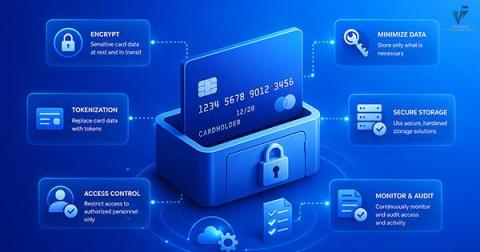
PCI used to fit neatly into a budget. You’d build your cardholder data environment, lock it down, gather evidence, and once a year prove to an assessor that everything worked. Costs were predictable because the work was concentrated: audit cycle, remediation sprint, then relative quiet until next year. That model broke somewhere around 2018. Now your payment flow touches cloud accounts, shared services, SaaS vendors, front-end code, and operational teams deploying changes on their own schedules.

CMMC Incident Response Timelines and Reporting Rules

Information security frameworks like CMMC are not just about enforcing security. They’re about enforcing accountability. That’s why a whole section of controls and rules that make up CMMC centers around incident response and reporting. You can’t just have security in place, but throw your hands up and do nothing if there’s an incident or breach. Nor can you sweep it under the rug and hope no one notices.

5 Best Global HR and Payroll Platforms With Strong Data Protection Standards

Running global HR and payroll means handling personal data at a massive scale. Bank account numbers, tax identifiers, salary information, performance reviews, and employment records flow through these systems constantly. A security lapse doesn't just create operational problems. It triggers regulatory penalties, erodes employee trust, and exposes the organization to legal risk across multiple jurisdictions.